An Overview of Professional and Desktop Ceramic 3D Printers
A review of current ceramic additive manufacturing systems highlights various technologies ranging from industrial stereolithography to desktop clay deposition platforms.
Published: January 21, 2024 • Original report: 2024-01-18
The market for ceramic additive manufacturing continues to expand across industrial and desktop segments. Recent industry assessments estimate significant market growth, reflecting increased interest among manufacturers utilizing diverse processes such as stereolithography, binder jetting, material jetting, and direct material extrusion.
Professional applications range from technical ceramics used in demanding structural parts to specialized paste deposition. Meanwhile, desktop solutions cater to educational institutions, artists, and small-scale fabrication studios working with traditional earthenware, porcelain, and clay.
Key Facts & Specifications
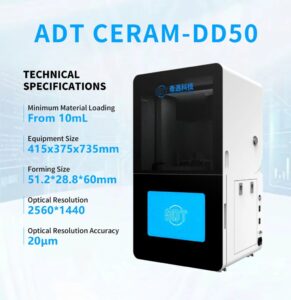
- 3DCeram C3600 Ultimate: Utilizes stereolithography with a build area of 600 x 600 x 300 mm, layer thickness between 0.025 and 0.125 mm, and integrates four UV lasers.
- Admatec Admaflex 130: Employs DLP technology with a 96 x 54 x 120 mm build plate, 0.05 mm XY precision, and a total weight of 300 kg.
- Desktop Metal X1 160PRO: Uses binder jetting with a volume of 800 x 500 x 400 mm, capable of layer thicknesses from 30 to 200 microns.
- Lynxter S600D: Offers a build volume of Ø390mm x 600mm, supporting alumina, stoneware, porcelain, zirconia, and cordierite via the PAS11 ceramic paste tool-head.
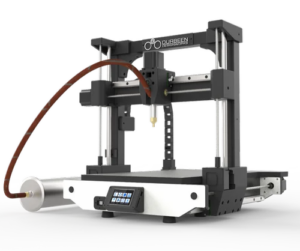
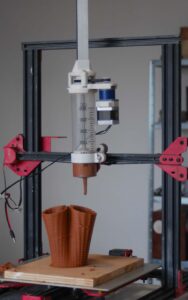
- 3D Potter Micro 10: An entry-level clay printer featuring a 1,000 ml extruder and a build envelope of up to 1 foot, designed for real clay fabrication.
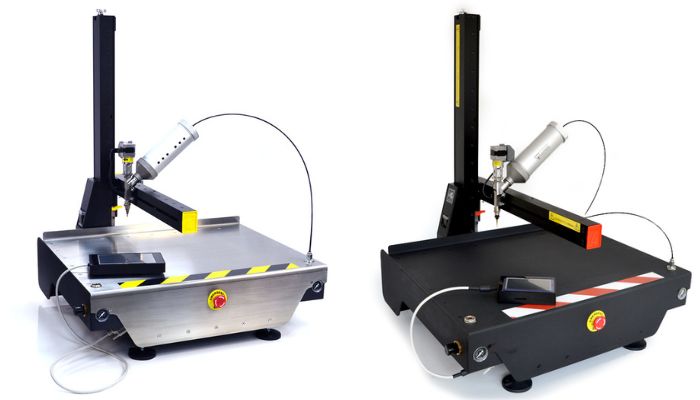
- VormVrij LUTUM 5: A stainless steel desktop system featuring a 32-bit operating system, a 7-inch touchscreen, and a V10 extruder capable of continuous long-session printing.
Manufacturing Technologies and Applications
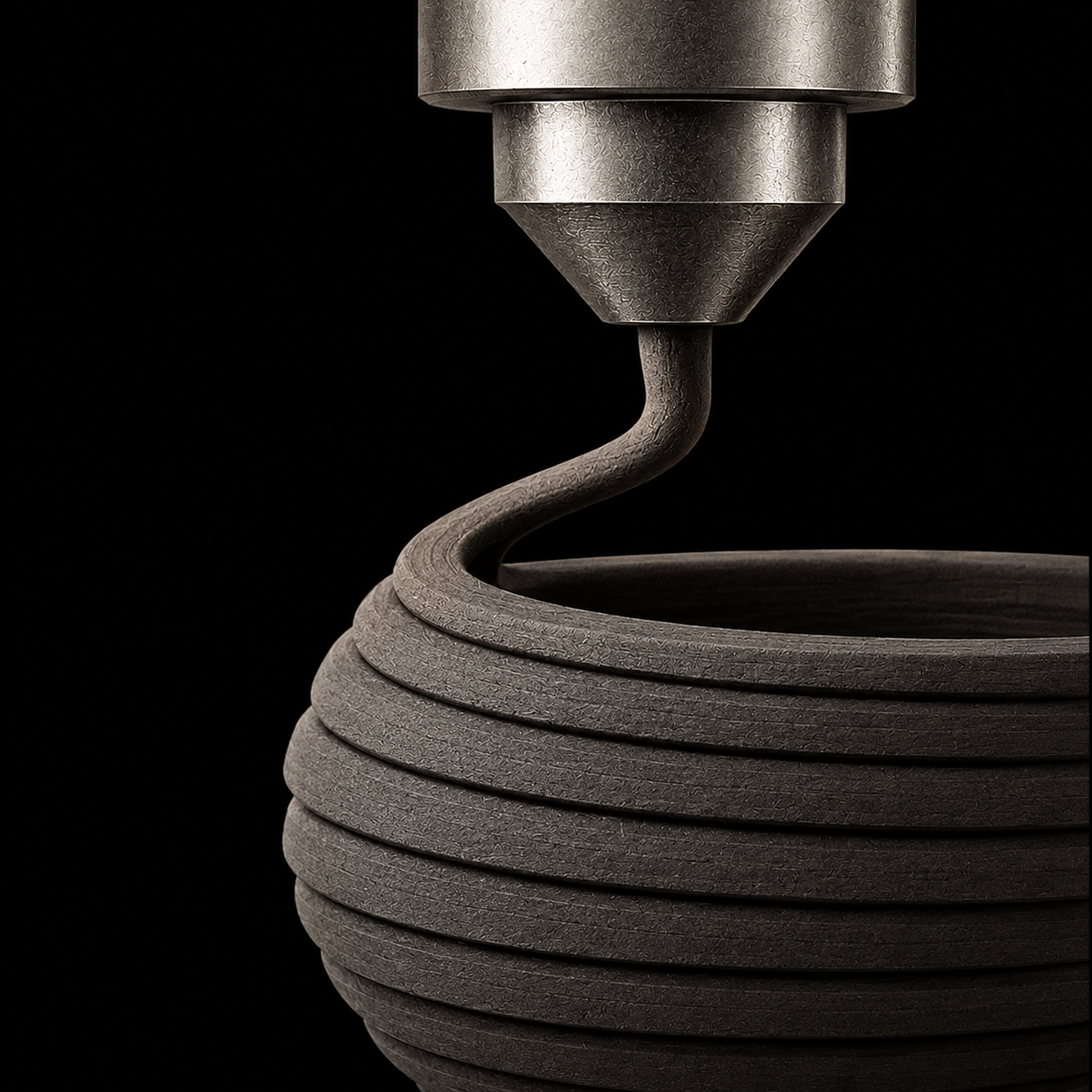
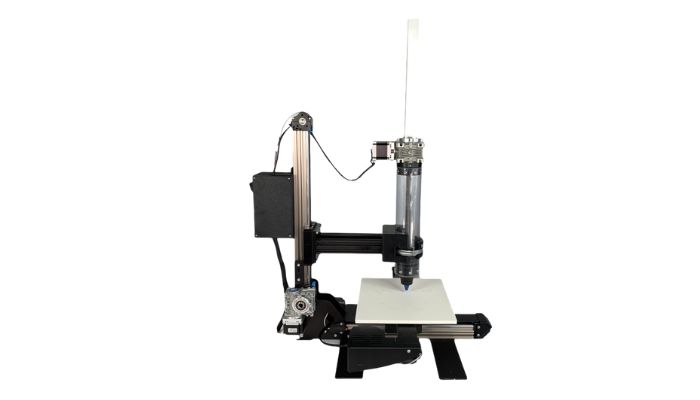
Ceramic 3D printing relies on distinct material preparation and layering techniques depending on the end-use requirements. Industrial systems frequently process photopolymer suspensions loaded with technical oxides like alumina, zirconia, or silicon carbide using light-curing methods such as stereolithography and digital light processing. Alternatively, binder jetting systems deposit liquid binding agents onto powder beds to form dense components or casting molds. For artistic and educational purposes, direct-ink writing and paste extrusion machines deposit real clay, stoneware, and porcelain bodies directly through specialized pneumatic or mechanical extruders.
Project Video
Original Source
Source Page: The Top Ceramic 3D Printers on the Market