Emmanuel Hugnot Releases Open-Source 300CC V2 Clay Extruder
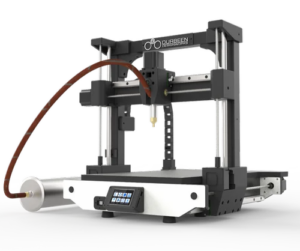
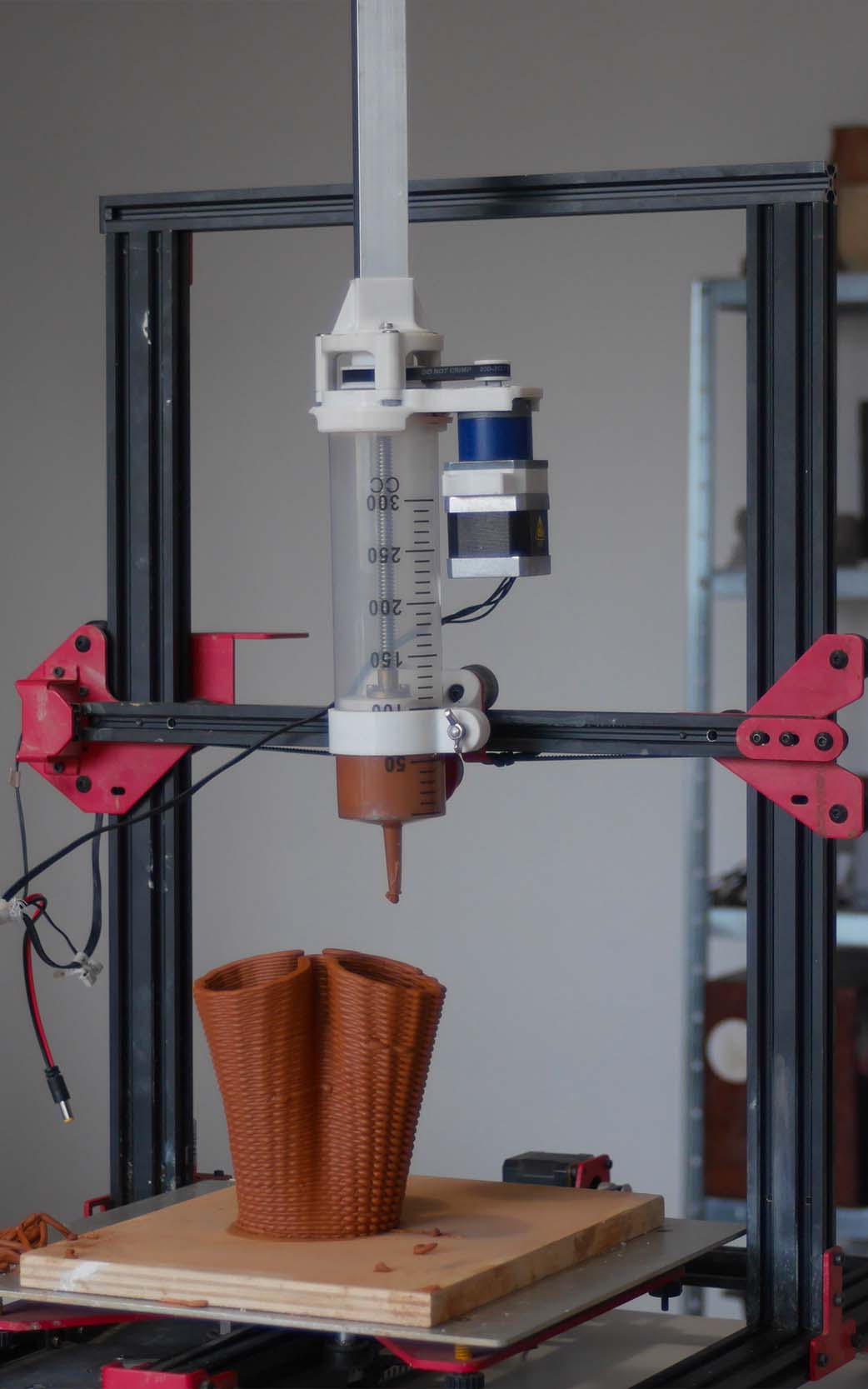
Designer Emmanuel Hugnot introduces the 300CC V2, an updated open-source extruder focused on material accessibility and simplified assembly for ceramic 3D printing.
Published: November 23, 2026 • Original report: 2026-11-20
Refining Open-Source Paste Extrusion
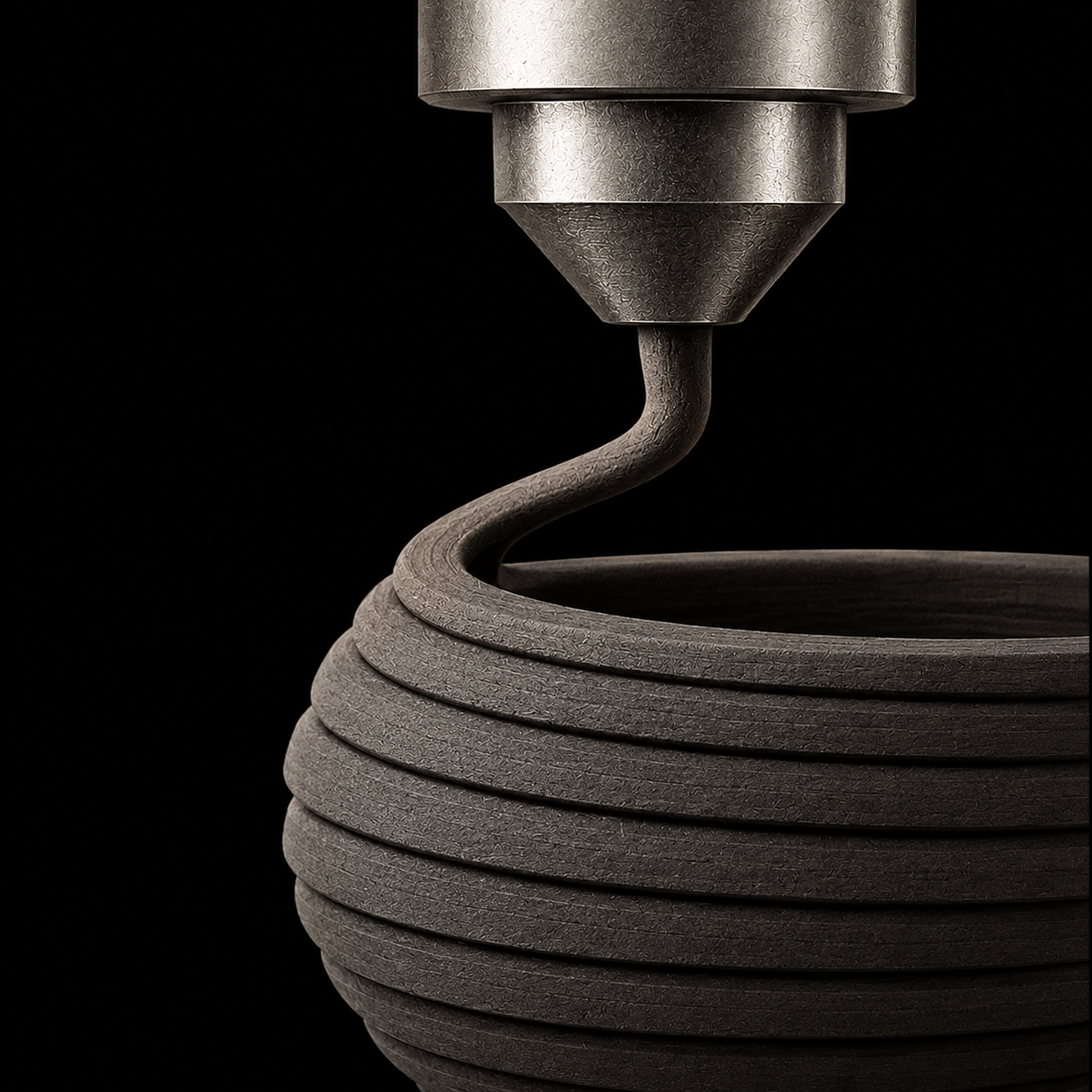
The field of ceramic additive manufacturing often faces a barrier to entry characterized by high capital expenditure for specialized machinery. Emmanuel Hugnot, a freelance product and computational designer, is addressing this by releasing the 300CC V2, an updated open-source extruder designed specifically for paste materials like clay, earth, and bio-composites. The project prioritizes a streamlined design philosophy, aiming to make paste-based 3D printing more attainable for independent practitioners and educational institutions.
Building upon the original 300CC project launched in 2022, the V2 iteration focuses on internal component reliability and simplified assembly. This development was finalized during a focused workshop with 3rd-year design students at ESAD Orléans, where participants tested and refined the system to ensure it meets practical functional requirements. By focusing on a minimalist architecture, the unit remains cost-effective, with a total bill of materials intended to stay under €100.
Key Facts & Technical Specifications
- System Type: Open-source paste extruder for 3D printers.
- Target Materials: Clay, ceramic slip, earth, and various bio-composites.
- Development Timeline: Original design 2022; V2 refinement September 2026.
- Assembly Strategy: Simplified, user-focused hardware configuration.
- Build Cost: Components sourced for under €100.
- Collaborators: Students and staff at ESAD Orléans including Victor Aldebert, Alexandre Audebert, and others.
Engineering and Workflow Integration
The design of the 300CC V2 is predicated on the idea that every mechanical element must serve a clear, singular function to reduce failure points. In paste extrusion, the transition from liquid to semi-solid state during the printing process requires precise pressure management. The V2 addresses this by optimizing the extrusion path and simplifying the connection points, which are often the source of clogs or pressure leaks in DIY setups.
By leveraging an open-source model, Hugnot enables users to manufacture or source the necessary components independently. This approach is intended to lower the barrier for those interested in computational design and ceramic fabrication, moving the focus away from the hardware acquisition stage and toward material exploration and the refinement of G-code parameters.

Designer Context and Academic Impact
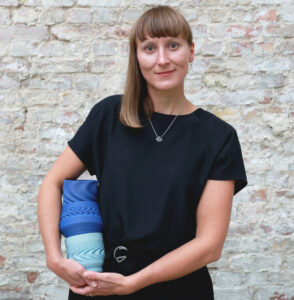
Emmanuel Hugnot, who balances a practice as a computational designer with teaching roles at both ENSAD Paris and ESAD Orléans, has centered much of his professional work on the intersection of digital fabrication and material science. His background includes experimental work with ceramic printing at institutions like the Centre de la Céramique Contemporaine La Borne and contributions to international design biennales.
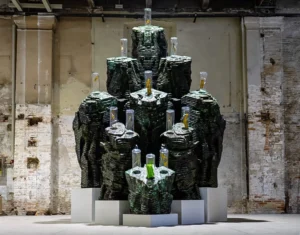
His engagement with academic environments, particularly through collaborative workshops, serves as a mechanism for iterative product development. By involving students in the refinement of the 300CC V2, the project benefits from diverse use cases—from small-scale artistic output to larger furniture prototypes like the “Trosne” chair unveiled at Milan Design Week. This connection between formal design education and functional tool development highlights the role of the designer as a facilitator of production methods.
Practical Applications in Ceramics and Architecture
For ceramic artists and architects, the availability of low-cost, reliable extruders offers a pathway to integrate digital workflows into traditional studio practices. The 300CC V2 functions as a bridge between standard FDM printing hardware and the specialized requirements of earthen materials. By removing the dependence on proprietary software or locked-in machinery, practitioners retain full control over their process, from material mix rheology to custom toolpaths.

The emphasis on an open-source framework ensures that the tool is not static; it provides a baseline from which others can iterate, modify, and improve for specific regional materials or specific project scales. As ceramic additive manufacturing continues to mature, such open-source initiatives remain essential in fostering a community of practice where knowledge is shared and hardware remains accessible to a broad demographic of makers.
Original Source
Sources: