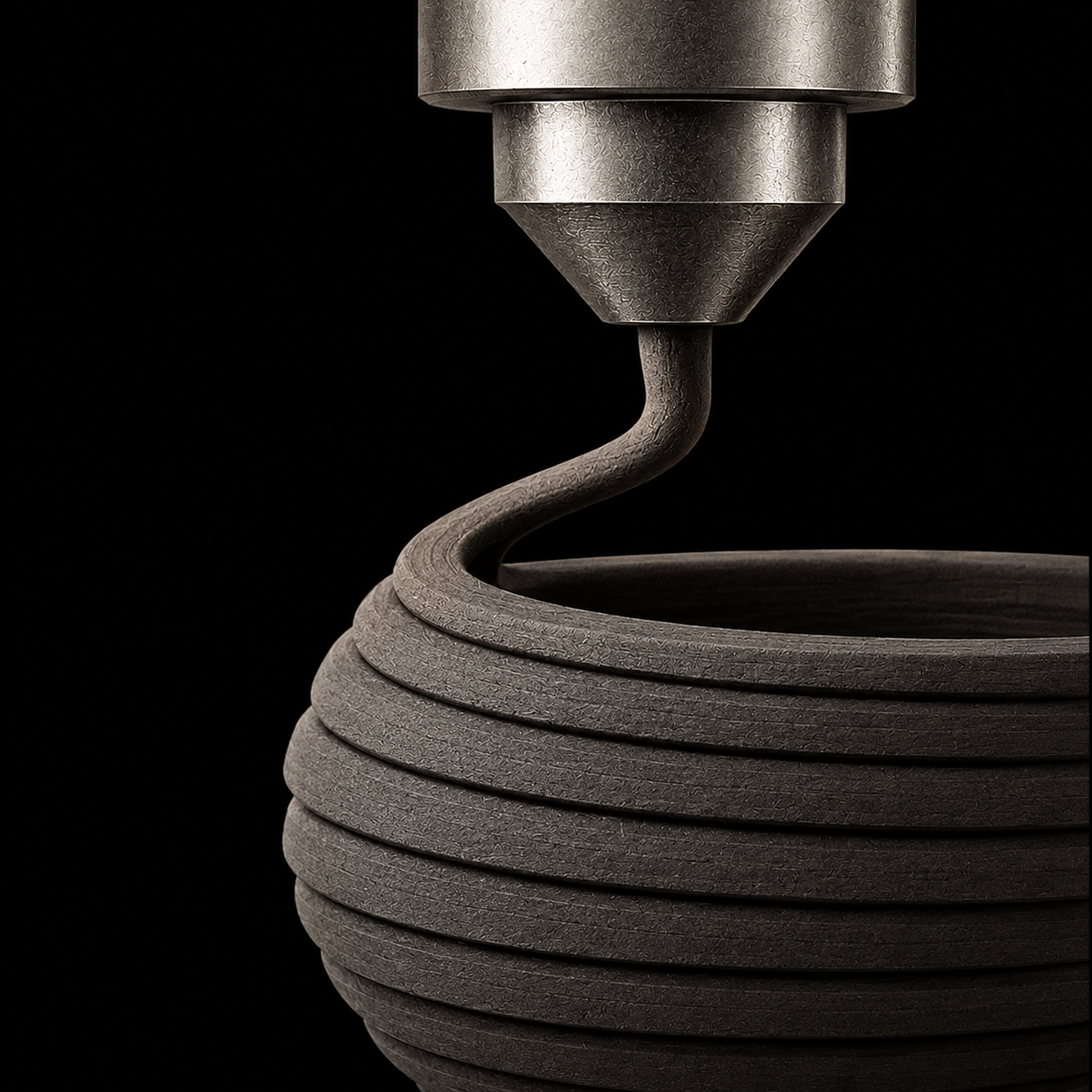
Terreform ONE 3D-Prints Calcium Carbonate Reefs to Archive Architectural DNA
Terreform ONE merges bioengineering and additive manufacturing at the Venice Biennale, 3D-printing calcium carbonate reef structures designed to support kelp growth and store architectural data.
Published: November 26, 2026 • Original report: 2026-11-23
Architectural Memory Meets Marine Biology
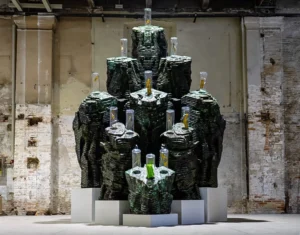
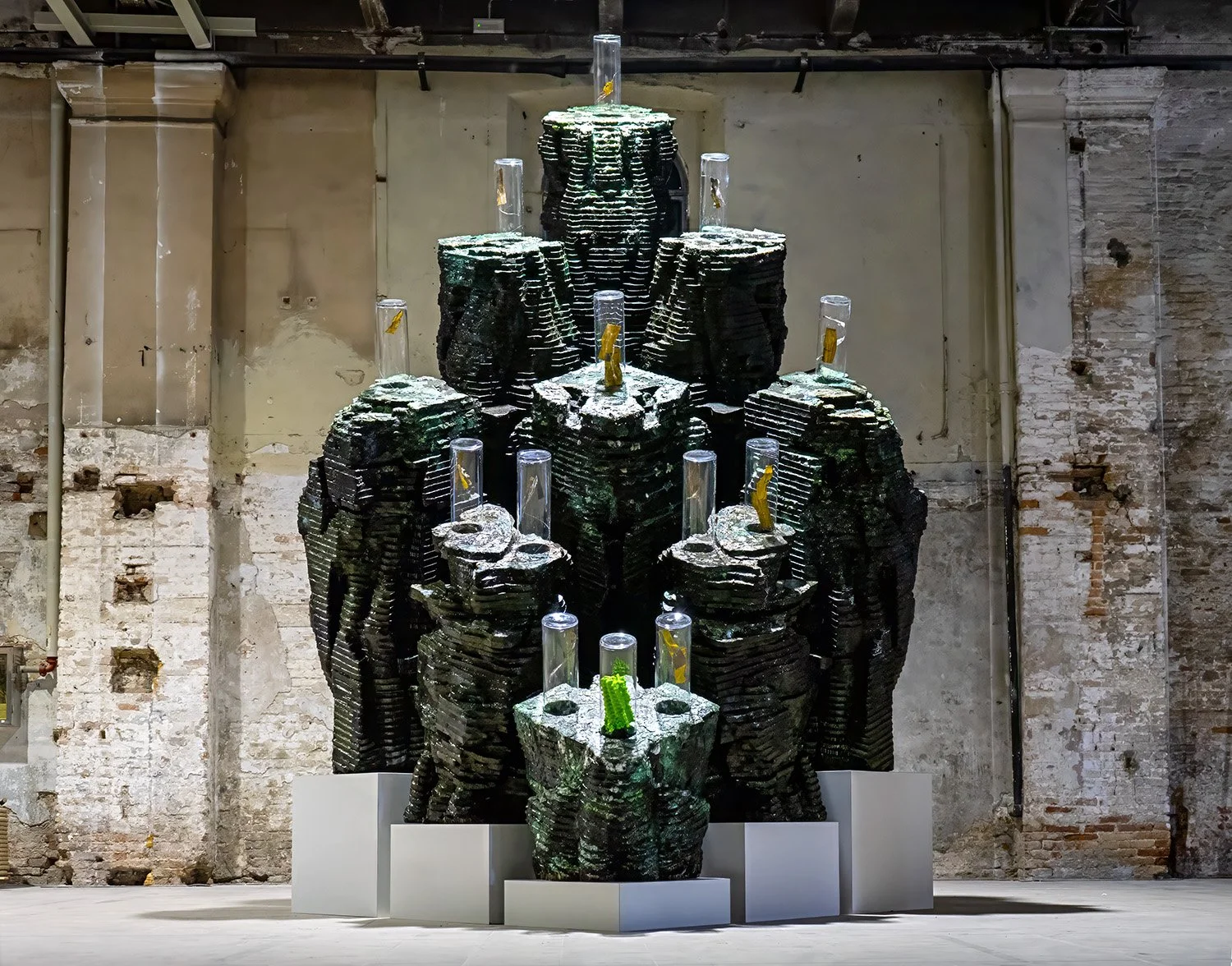
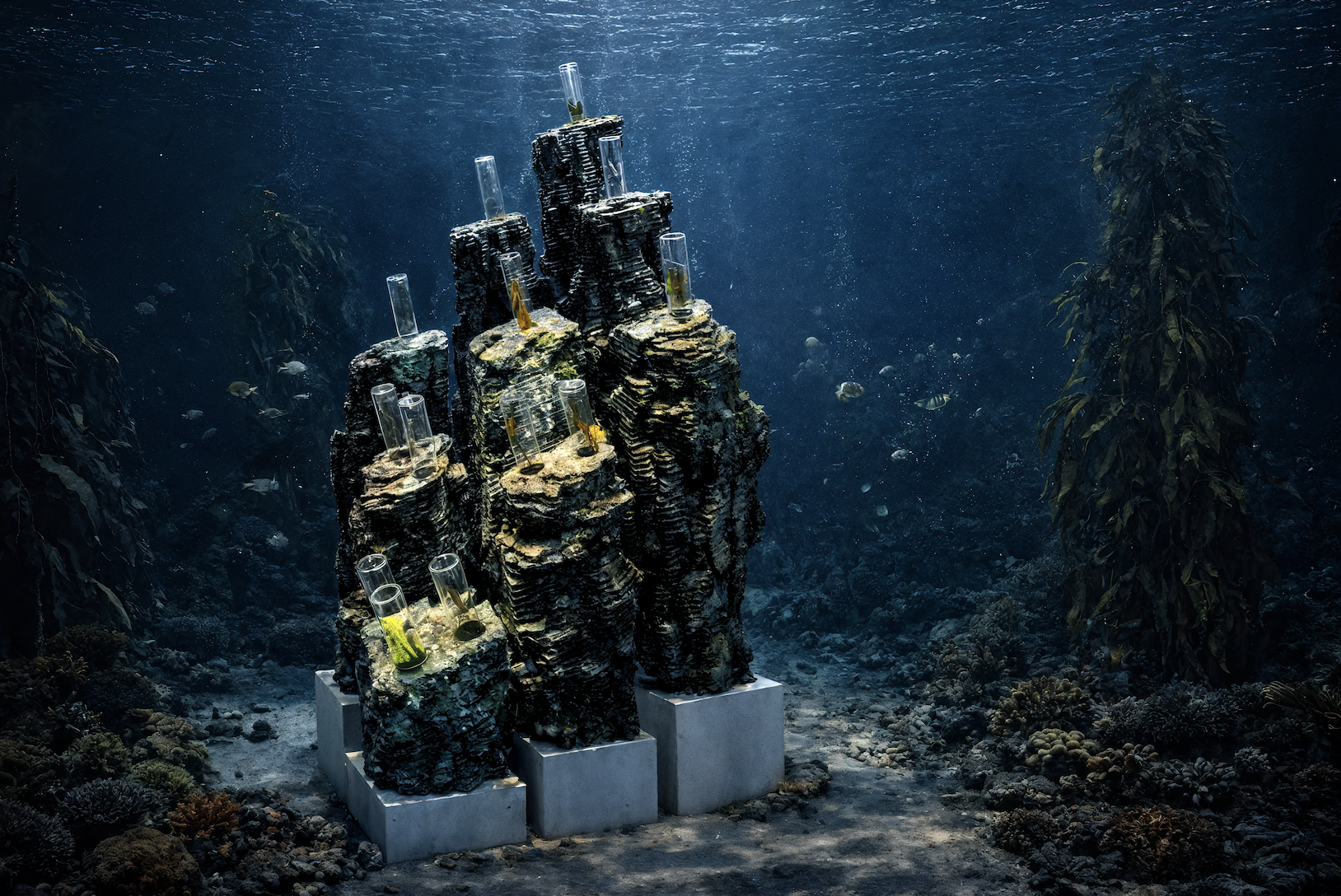
The intersection of additive manufacturing and biological infrastructure has reached a new threshold with the debut of Coding Kelp, an installation developed by the architectural research group Terreform ONE. Presented at the 19th International Architecture Exhibition of La Biennale di Venezia, the project introduces a neo-natural ocean kelp reef designed to translate human architectural knowledge into botanical DNA. By utilizing 3D-printing technologies to fabricate calcium carbonate modules, the research team has constructed porous spatial networks that actively encourage kelp attachment and cold-water marine propagation.
This initiative earned recognition as both the WAFX overall winner and Future Project of the Year, highlighting a growing interest in climate-positive architectural strategies. The project proposes a departure from energy-intensive digital servers and fragile physical archives, utilizing living organisms as functional repositories for long-term data preservation. Through transgenic processing, texts, images, and structural blueprints are embedded directly into the genetic material of marine macroalgae, turning living ecosystems into permanent libraries of human design intelligence.
Key Facts & Technical Specifications
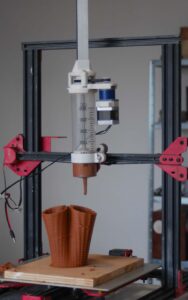
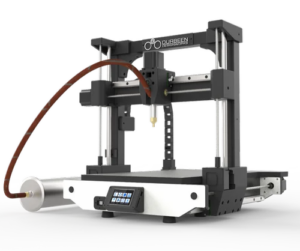
- Primary Hardware: Advanced additive manufacturing systems capable of processing mineral-based structural pastes.
- Fabricated Material: Calcium carbonate matrix engineered with specific porosity gradients to optimize marine attachment.
- Core Biological Medium: Giant Sea Kelp (macroalgae) utilized for ecological restoration and transgenic data encoding.
- Data Density: Theoretical storage capacity of up to 215 million gigabytes per single gram of plant DNA.
- Exhibition Context: Featured at the 19th International Architecture Exhibition, La Biennale di Venezia (Intelligens. Natural. Artificial. Collective).
Additive Fabrication and Molecular Encoding
The physical backbone of the installation relies on precision-extruded calcium carbonate structures. These interlocking modules are engineered to adapt to diverse underwater topographies, functioning simultaneously as coastal defense barriers and biological substrates. The porous nature of the printed ceramic and mineral composites facilitates moisture retention, sediment stabilization, and the proliferation of cold-water marine species.
Concurrently, the molecular data archive operates through the synthesis of amino acid chains and nucleotide sequences. The fundamental design maxim, “form follows function,” was translated into an AGTC genetic sequence and embedded within the seaweed specimens. Encased in airtight vitrines at the exhibition, these dried biological archives demonstrate how stable molecular structures can retain complex spatial information for centuries without requiring continuous electrical power or hardware maintenance.
The Research Group Behind the Bio-Digital Archive
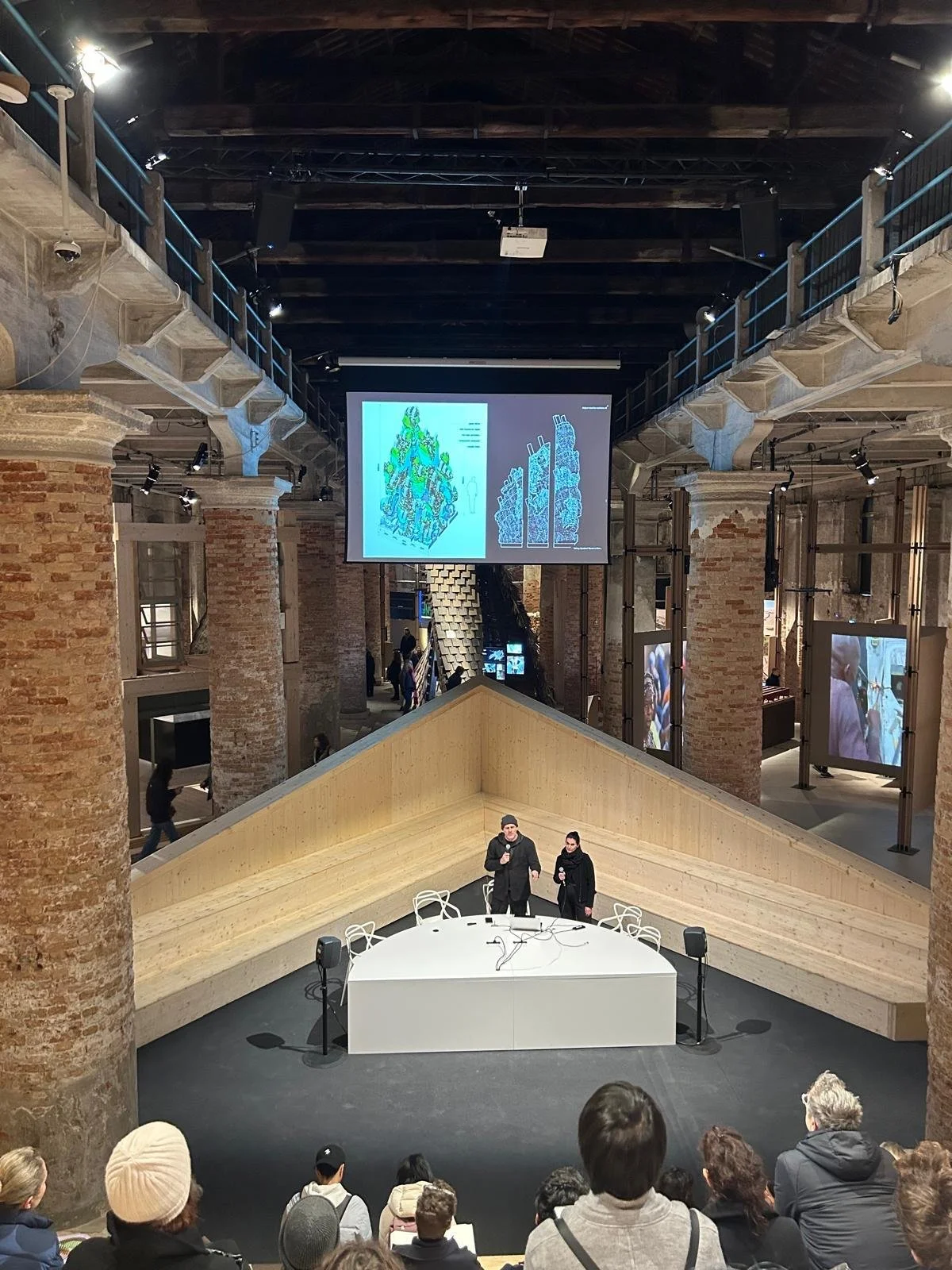
Led by a commitment to radical ecological design, Terreform ONE functions as a nonprofit architecture and urban design studio dedicated to addressing planetary crises through biotechnology and synthetic biology. The collective investigates systems where human construction methods harmonize with natural metabolic cycles. By treating botanical organisms as functional manufacturing plants, the studio challenges traditional industrial paradigms that prioritize efficiency over evolutionary resilience.
The Venice Biennale installation reflects the group’s ongoing inquiry into programmable matter and neo-natural infrastructure. Collaborating with biological scientists and material specialists, the team seeks to shift the architectural discipline away from polluting extraction models toward regenerative systems that actively heal fire-damaged ecosystems and marine habitats alike.
Practical Context for Ceramic Artists and Architects
For practitioners working in ceramic additive manufacturing and earthen architecture, the project offers a compelling perspective on material performance and structural longevity. While standard clay printers typically focus on terrestrial building components or sculptural ceramics, this application broadens the scope of mineral-based printing to include aquatic integration and ecological restoration.
By demonstrating how printed mineral substrates can interface directly with living organisms, the work encourages designers to consider the post-occupancy lifecycle of their creations. As the field of sustainable fabrication evolves, the integration of programmable, biodegradable, and living materials provides a viable pathway for architects and ceramicists aiming to reduce their environmental impact while contributing to long-term planetary health.
Original Source
Sources: