Babette Wiezorek and Additive Addicted: A Berlin Ceramic Studio
Explore the Berlin-based studio of product designer and art historian Babette Wiezorek, where digital code and ceramic materials merge into intricate, custom 3D-printed porcelain vessels.
Published: November 26, 2026 • Original report: 2026-11-23
Inside the Berlin Studio of Additive Addicted
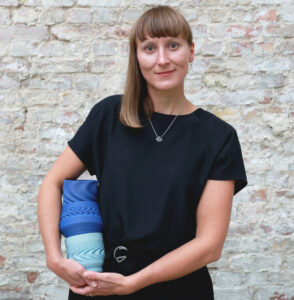
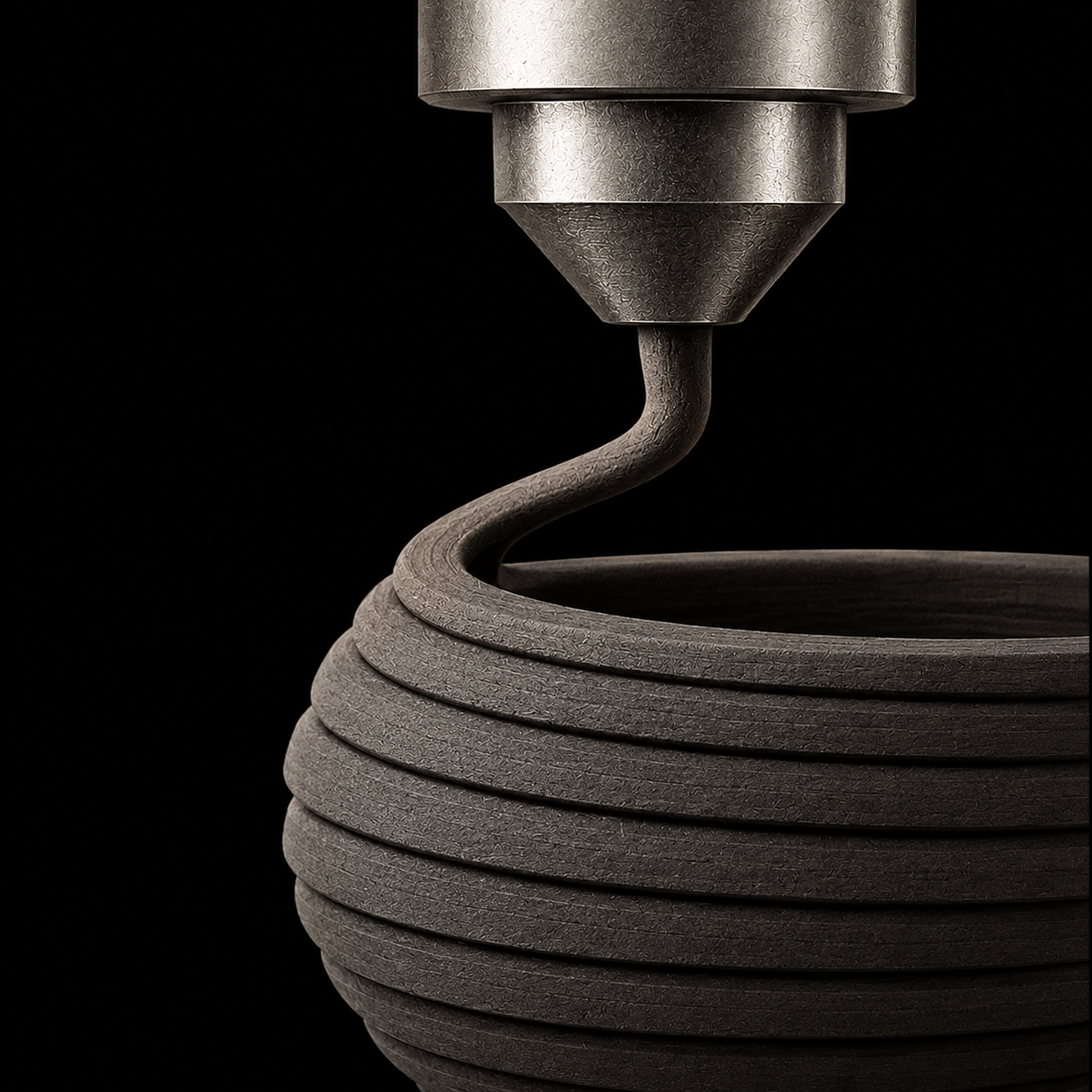
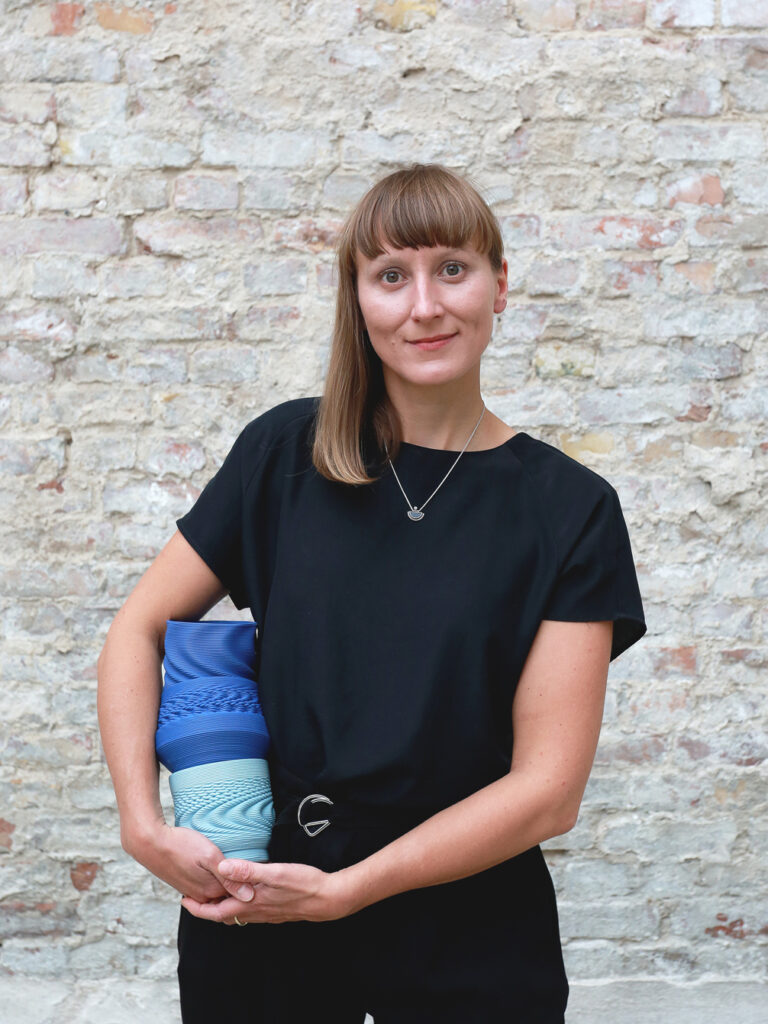
Operating out of a dedicated Berlin workspace, designer and art historian Babette Wiezorek bridges the gap between traditional ceramic craftsmanship and algorithmic design. Founded in 2017, her studio, Additive Addicted, serves as a hub for exploring the intersections of material behavior, computer-aided manufacturing, and tangible art objects. Rather than viewing the inherent constraints of layer-by-layer material addition as a limitation, the practice treats deposition paths as a core design driver, resulting in complex, textile-like surface textures and precise geometrical vessels.
The studio’s daily output spans functional homeware—such as matcha sets, espresso cups, and vases—alongside custom prototypes and individual art pieces. By developing specific digital workflows and custom parameters, the workspace functions as both a production facility and an ongoing research environment. This approach allows for small-batch manufacturing without the need for traditional plaster molds, keeping material waste low and offering high flexibility for custom client requests.
Key Facts and Technical Specifications
- Founder & Designer: Babette Wiezorek (MA Product Design, MA Art History)
- Studio Location: Berlin, Germany (founded in 2017)
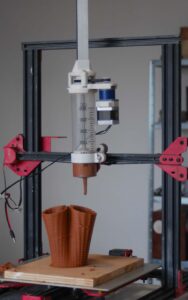
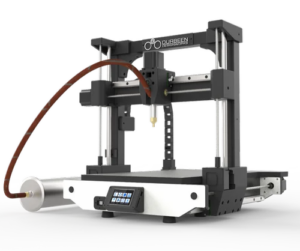
- Core Technology: Additive manufacturing / 3D printing with semi-fluid ceramic pastes
- Primary Material: Custom blend of German and French porcelain, mass-pigmented with heat-resistant ceramic colorants
- Post-Processing: Interior transparent glaze, high-temperature final firing at 1250°C for a dense, food-safe, and dishwasher-resilient body
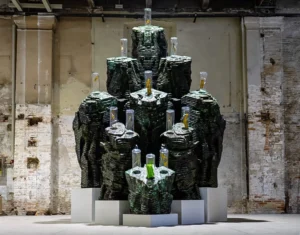
- Product Range: Series production (cups, bowls, vases, matcha sets), custom prototypes, and bespoke architectural or artistic commissions

Material Engineering and Code-Driven Color Gradients
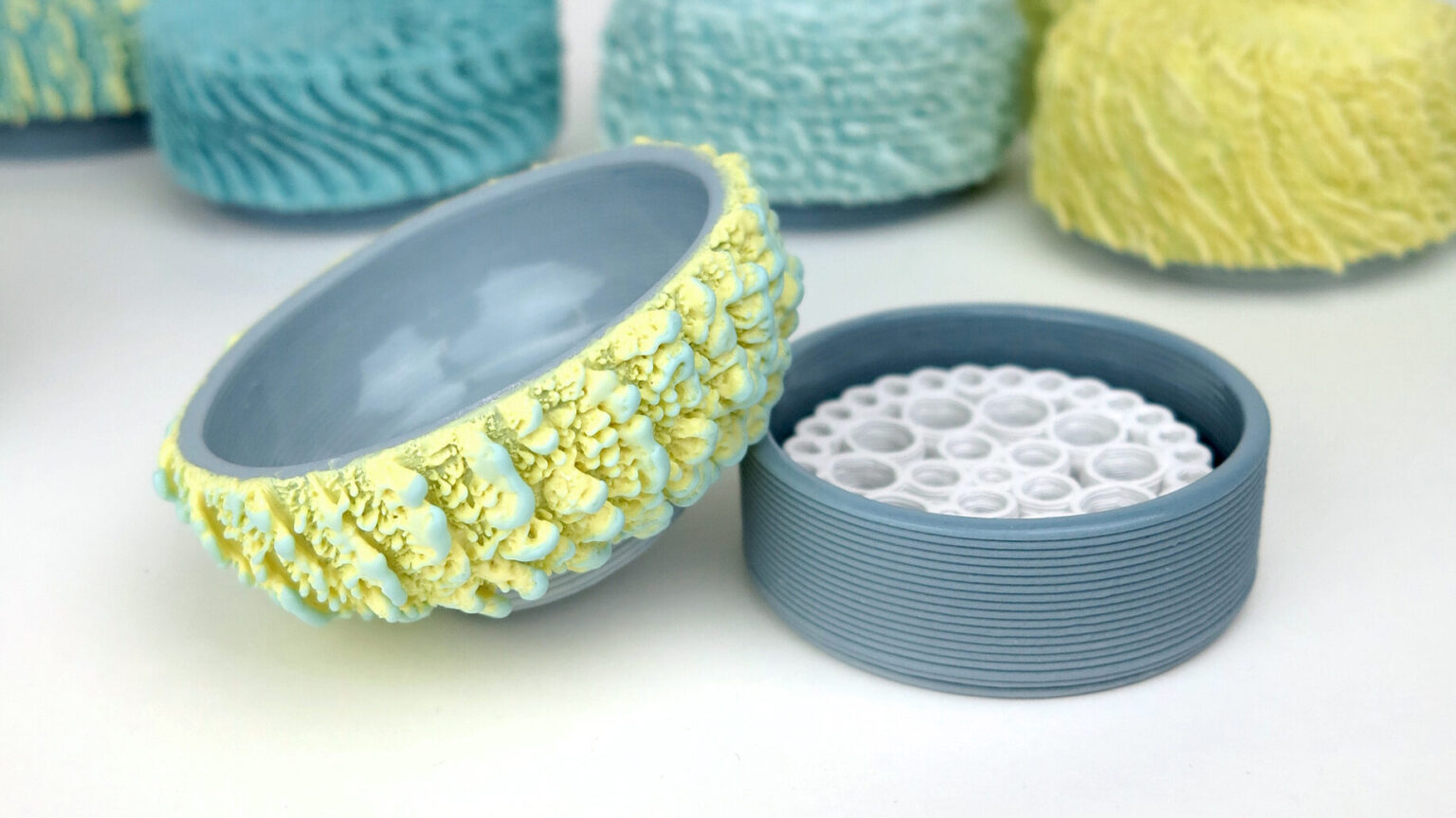
A distinctive aspect of the studio’s workflow involves the preparation and pigmentation of the printing medium itself. Wiezorek exclusively formulates her printable pastes using a specialized blend of German and French porcelain. Instead of surface painting, heat-resistant ceramic color pigments are directly mixed into the wet porcelain body prior to printing.
As the printer deposits successive layers, these colored masses blend and shift naturally. This produces organic gradients and unique color transitions across every printed item, ensuring that no two pieces are identical. Once printed and dried, the objects undergo a high-temperature kiln firing at 1250°C. This intense thermal process vitrifies the porcelain into a dense, highly durable ceramic body that is fully food-safe and capable of handling daily domestic use.
Background and Academic Roots
Wiezorek’s trajectory combines a rigorous academic background in art history with formal training in product design. Her ongoing research investigates natural form-building processes, translating biological feedback loops and control mechanisms into digital G-code instructions. In parallel with her studio production, she maintains an active teaching schedule, educating students at various universities in cities such as Berlin, Hamburg, Kiel, and Braunschweig.
Her academic involvement extends to research circles focused on design cognition and digital arts, and her physical artifacts have been featured in exhibitions across major European design hubs including Milan, Eindhoven, Vienna, and Frankfurt. This dual focus on practical making and theoretical inquiry keeps the studio closely attuned to both the artistic potential and the technical limitations of ceramic additive manufacturing.

Practical Context for Ceramists and Architects
For contemporary ceramic artists, architects, and additive manufacturing practitioners, Additive Addicted demonstrates how small-scale digital fabrication can remain commercially viable while prioritizing material sensuality. By moving away from mass-produced molds toward parametric generation, the studio illustrates how digital tools can foster a closer, more empathetic relationship between the maker, the machine, and the final artefact.
Looking ahead, the studio continues to refine its extensive library of generative textures and color palettes, accommodating bespoke orders and collaborative architectural investigations. As regulations and material sciences evolve, operations like Additive Addicted provide a practical blueprint for integrating sustainable, tool-free ceramic production into local urban craft economies.
Original Source
Sources: