Urban Reef Explores 3D Printed Natural Materials for Greener Cities
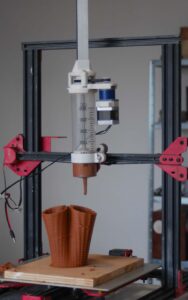
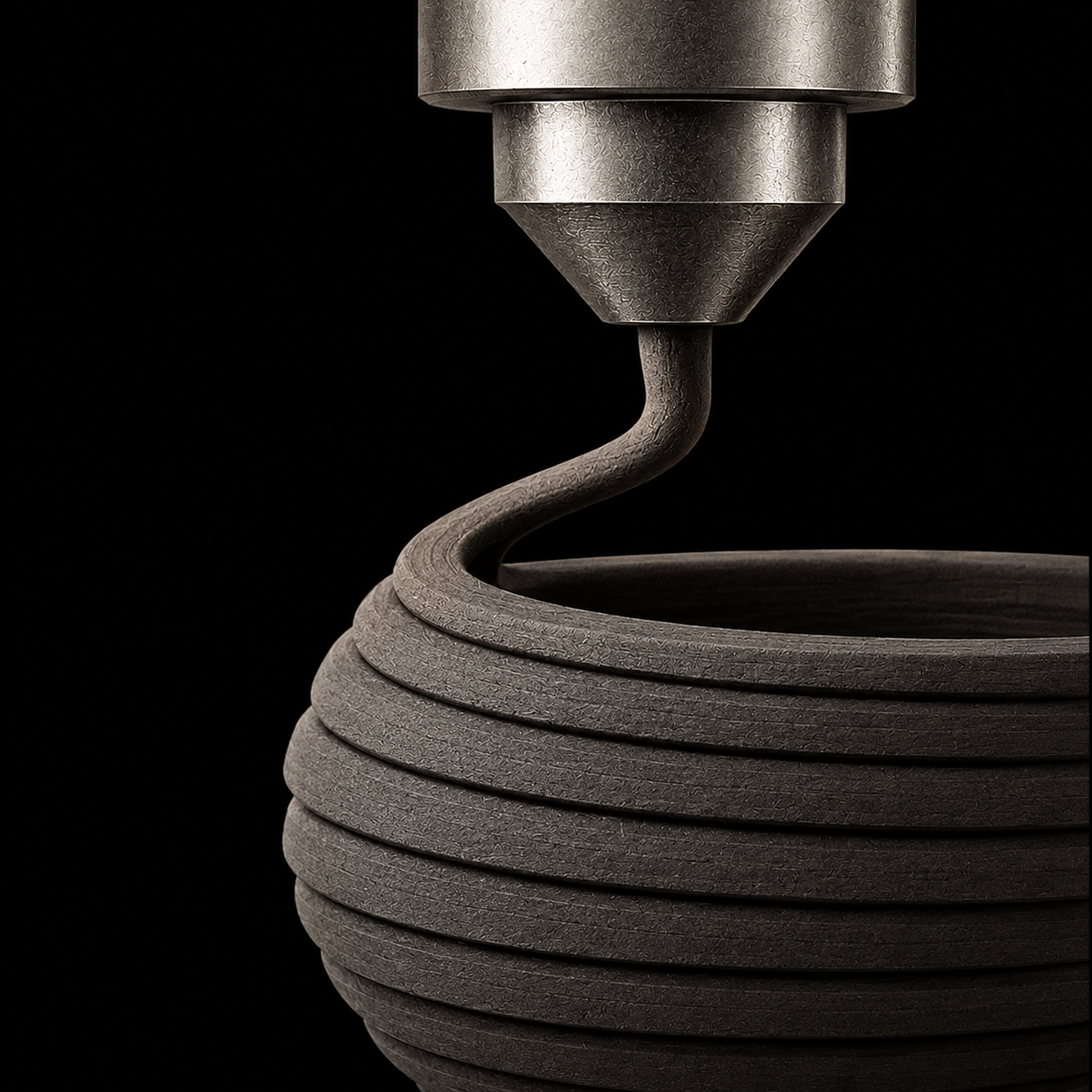
Dutch startup Urban Reef is utilizing 3D printing and natural materials such as ceramics and local dredge to design ecological urban structures. Co-founder Max Latour discusses the development of computational design and biobased printing applications.
Published: January 25, 2024 • Original report: 2024-01-22
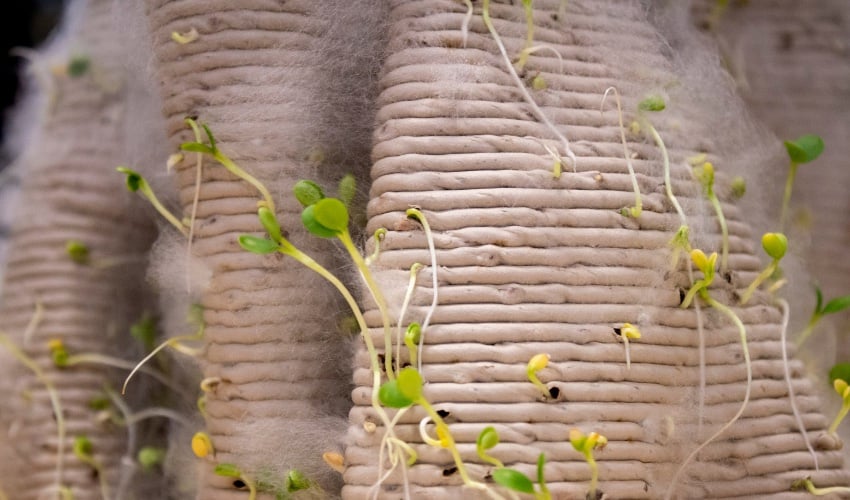
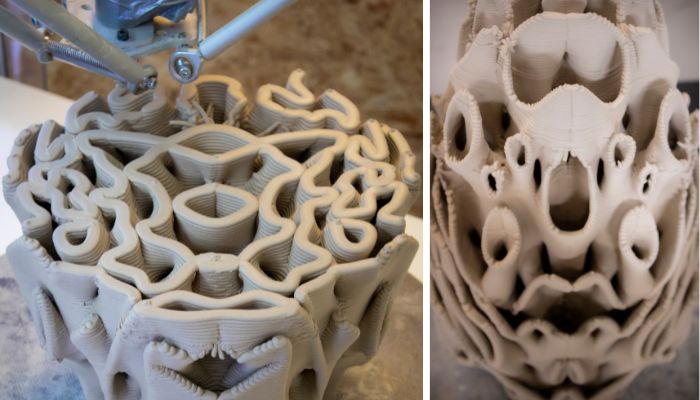
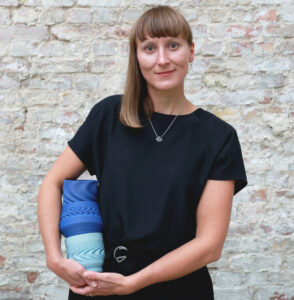
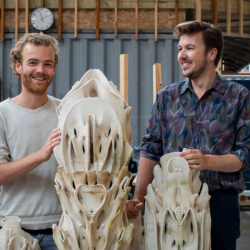
Dutch startup Urban Reef is combining computational design, additive manufacturing, and natural materials to develop ecological structures for urban environments. Founded by Max Latour and Pierre Oskam, the initiative emerged from research at the Robotic Building Lab at TU Delft and focuses on creating architectural components that foster biodiversity and local ecosystems.
The startup produces geometric structures known as Reefs, designed to create varied microclimates that support local flora and fauna. A notable application is the Rain Reef, which connects to downspouts to collect and passively distribute rainwater, encouraging the growth of mosses and algae while contributing to urban cooling.
Key Facts & Specifications
- Founders: Max Latour (computational designer, architecture background from TU Eindhoven and TU Delft) and Pierre Oskam (strategic design background from TU Delft, University of Aveiro, and University of Porto).
- Primary Material: Ceramics, chosen for workability, printability, structural capacity, and porosity.
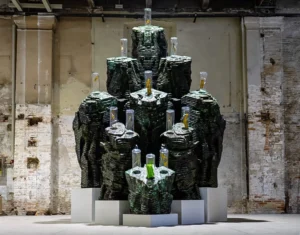
- Collaborations: Blauwe Bagger for local dredge clay sourcing; Junai.earth for biobased printing materials including olive pits, oyster shells, and alginate; Lindey Cafsia for cow dung printing experiments.
- Core Concept: Structures designed to host microclimates, manage stormwater runoff passively, and support spontaneous urban ecologies.
Material Research and Future Applications
Urban Reef utilizes a bifurcated approach to material development, employing ceramics for current production while researching biobased alternatives for the future. By collaborating with regional partners such as Blauwe Bagger, the team investigates the use of locally sourced dredge clay to reduce carbon footprints and improve production circularity. Long-term research involves substituting ceramics with organic hardening materials, such as olive pits, oyster shells, and cow dung, to advance sustainable architectural practices.