British Virgin Islands Deploy Clay 3D Printed Reefs
The British Virgin Islands government has partnered with conservation organizations to deploy a 3D printed clay structure designed to aid coral reef recovery. The modular installation aims to support marine biodiversity and improve coastal defense against severe weather.
Published: February 8, 2024 • Original report: 2024-02-05
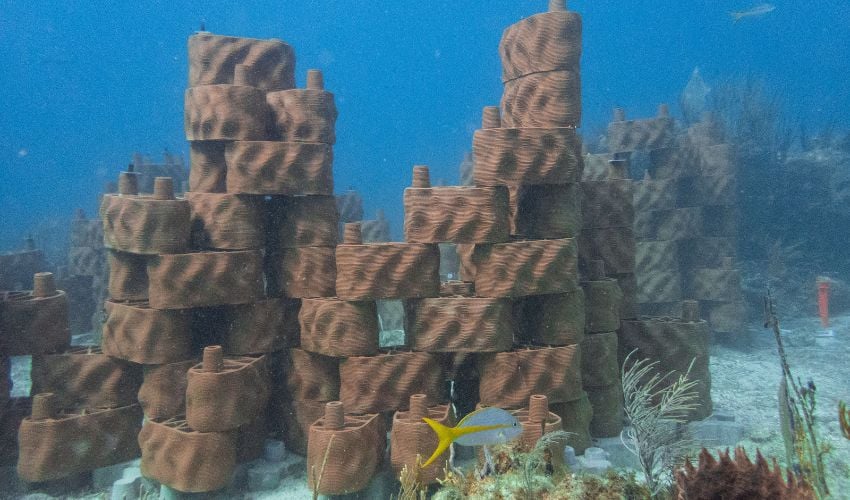
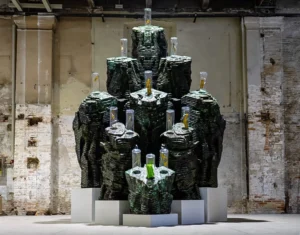
The government of the British Virgin Islands, in collaboration with the Association of Research Keepers (ARK) and Rethink Rebuild Regenerating (“rrreefs”), has installed a 3D printed clay structure at Cistern Rock off Cooper Island. The project addresses the decline of local coral populations driven by climate change, tropical storms, and human activity, aiming to restore marine habitats and protect vulnerable coastal communities.
Marine biologist Argel Horton and ARK Managing Director Dr. Shannon Gore noted that the modular installation serves as a testing ground for natural material integration within deteriorating marine environments. ARK will monitor the site over a two-year period to evaluate its impact on local fish and coral recruitment.
Key Facts & Specifications
- Location: Cistern Rock, Cooper Island, British Virgin Islands
- Partners: Government of the British Virgin Islands, Association of Reef Keepers (ARK), rrreefs
- Volume: 20 cubic meters
- Component Count: 254 individual modules (bricks)
- Production Origin: Produced in Switzerland and assembled on-site
- Monitoring Period: Two years

Material Selection and Deployment
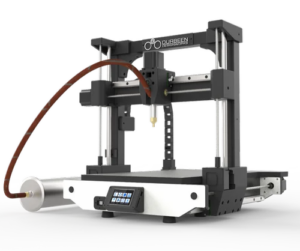
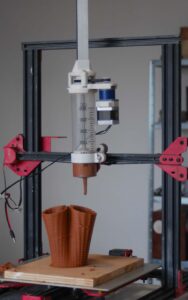
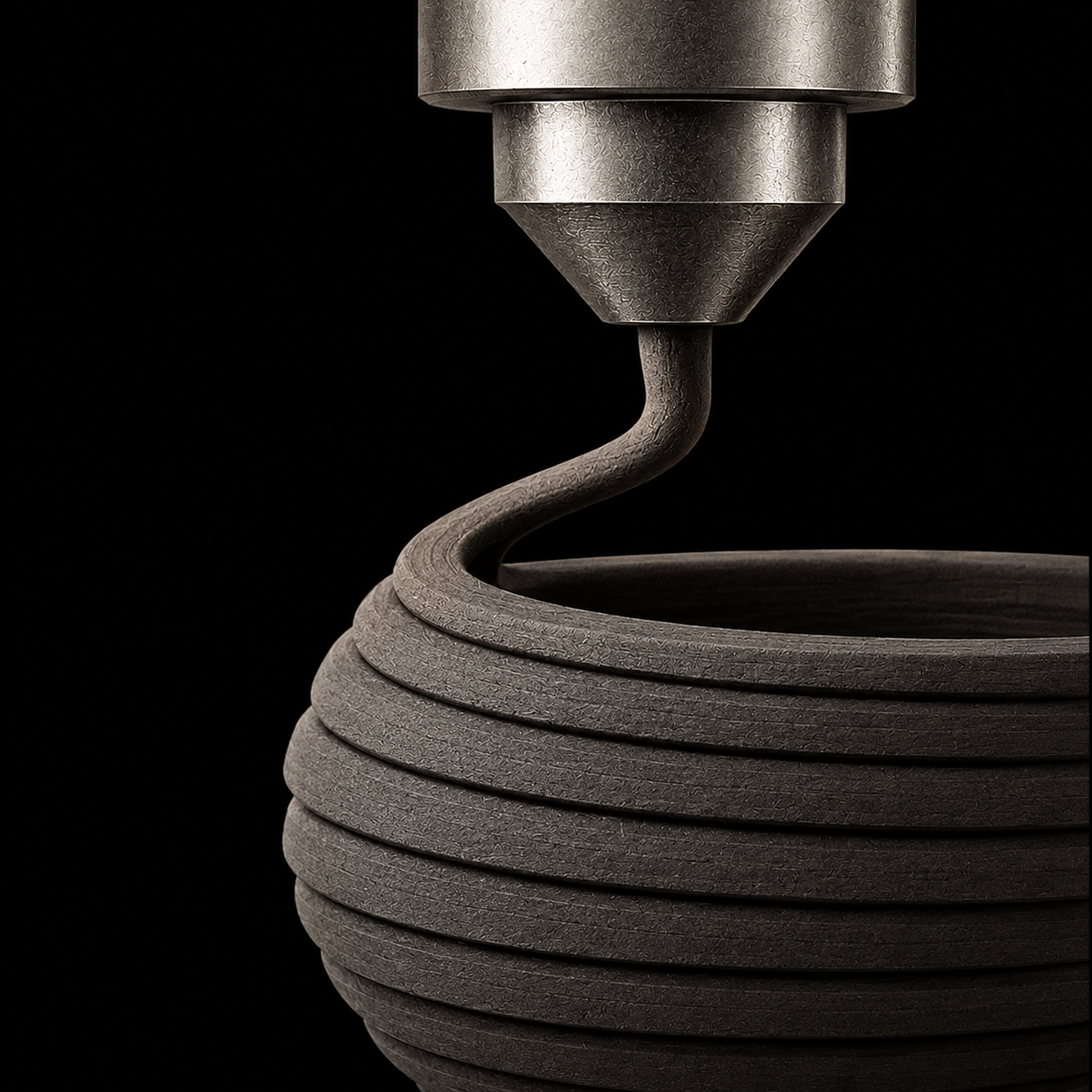
The project utilizes natural clay as the primary medium, chosen for its ecological compatibility with marine life and structural stability underwater. While exact machinery models were not disclosed, the fabrication relies on material extrusion to produce the modular brick design. This configuration allows the manufactured units to integrate with existing reefs, providing a stable foundation for coral growth while functioning as a natural breakwater against storm surges.