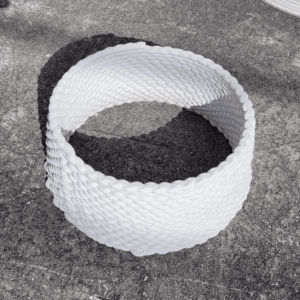
archiREEF Uses 3D Printed Terracotta Tiles for Coral Restoration
Discover how Hong Kong-based initiative archiREEF uses 3D printed terracotta tiles to restore marine life and support coral reef ecosystems.
Published: June 7, 2023 • Original report: 2023-06-04
Project Overview and Background
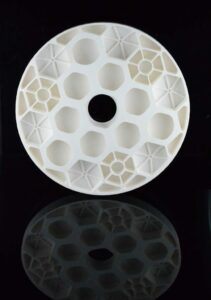
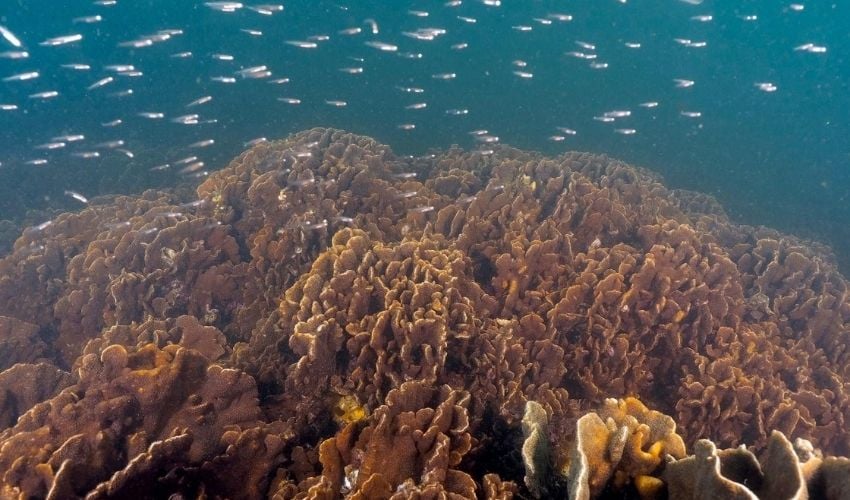
Coral reef ecosystems worldwide face severe threats from global warming, anthropogenic pressures, and natural stressors. Scientists estimate that up to half of the world’s coral reefs have already been destroyed. In response to these challenges, the Hong Kong-based project archiREEF was established to develop 3D printed terracotta tiles designed to aid marine life and coral restoration.
Co-founded by CEO Vriko Yu, a scientist with over eight years of experience in coral restoration, the initiative emerged from the need to find alternatives to traditional restoration methods. Conventional materials such as old tires, cinder blocks, and unsuited metals often fail to support foundational species or leach toxic compounds into the marine environment. archiREEF developed its 3D printed solution to act as a stable foundation that encourages natural coral growth and biodiversity enhancement in challenging local waters.
Key Facts and Specifications
- Project Focus: Coral reef restoration and marine ecosystem recovery using 3D printed structures.
- Location: Hong Kong.
- Primary Material: Terracotta clay.
- Design Method: Algorithm-based parametric modeling for high design flexibility and resolution.
- Performance Metrics: Recorded a coral survivorship rate of 98%, noted as four times higher than conventional restoration methods.
- Timeline: Project concepts initiated three years ago, with design and full-scale production taking approximately one year.

Material Selection and Additive Manufacturing Process
The archiREEF project utilizes terracotta due to its natural composition, which marine organisms readily accept as a substrate. Working with clay presents distinct technical challenges, as natural materials vary depending on local geology. Successful extrusion requires careful control over the clay mixture, precise moisture management, and the thorough elimination of air bubbles prior to the printing process.
Additive manufacturing provides significant advantages over traditional molding techniques by allowing high geometric complexity and resolution. This capability creates micro-shelters suited for the diverse microorganisms inhabiting Hong Kong’s marine environments. Furthermore, parametric algorithms allow the team to adapt tile designs to different coral species and geographical conditions efficiently, ensuring a scalable approach to ecological restoration.

Original Source
Source Page: archiREEF on Saving Coral Reefs With 3D Printing