ETH Zurich Researchers Merge Bacteria and 3D Printing for Eco-Construction
ETH Zurich research highlights how combining live bacteria with 3D printing and digital fabrication can create sustainable, low-carbon architectural elements.
Published: November 6, 2026 • Original report: 2026-11-03
Revolutionizing Construction with Living Architecture
Cement production remains an immense environmental burden, accounting for approximately seven percent of global carbon emissions. This heavy footprint stems primarily from the energy-intensive creation of clinker and the chemical calcination of limestone, which releases massive volumes of carbon dioxide into the atmosphere. In response to this ecological challenge, researchers worldwide are striving to develop sustainable alternatives that bypass traditional, high-emission manufacturing methods.
At ETH Zurich’s Department of Architecture, researcher Karen Antorveza Paez has been investigating an innovative approach that marries digital fabrication with biological processes. By harnessing the power of specific bacteria, this research introduces a method to bind sand particles into solid structures without relying on conventional cement. This breakthrough bridges the gap between biological mineralization and advanced additive manufacturing, pointing toward a greener future for the building industry.
Key Highlights & Specifications
- Core Microorganism: Utilizes Sporosarcina pasteurii bacteria to drive biocementation.
- Bio Ink Composition: A specialized paste combining hydrogel, alginate, xanthan, sand, and live bacteria.
- Post-Processing Bath: Submersion in urea and calcium chloride solutions to trigger limestone crystal formation.
- Production Timeline: Total manufacturing takes between two to five days, requiring daily bath refreshments.
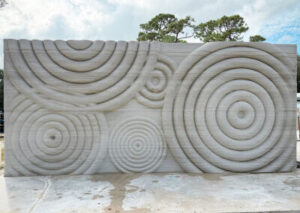
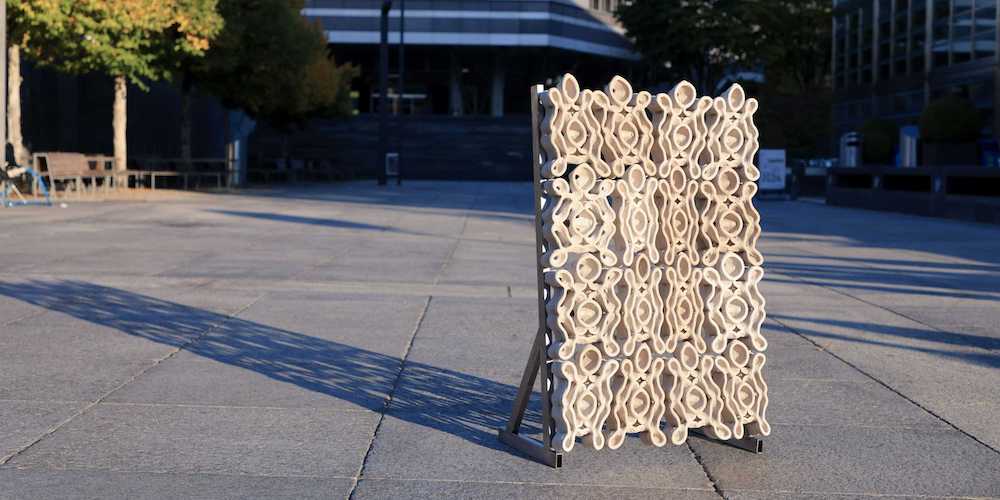
- Material Application: Currently optimized for non-load bearing architectural elements such as partitions and facades.
Behind the Bio-Print: Materials, Extrusion, and Curing Mechanisms
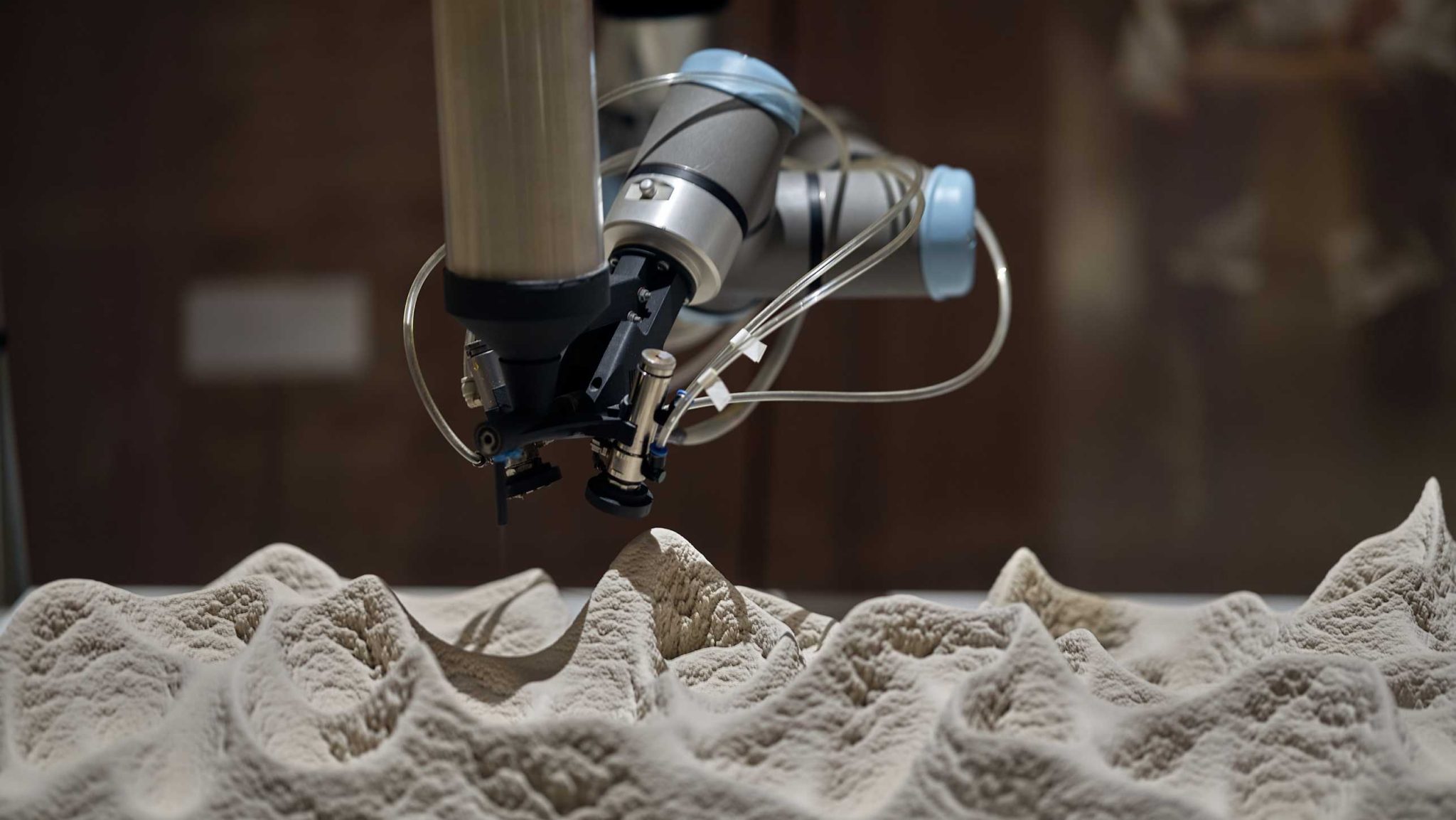
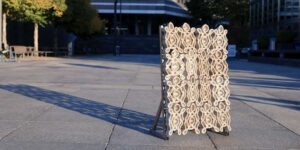
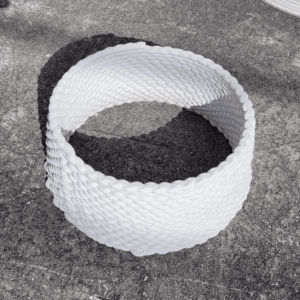
The additive manufacturing workflow begins with a carefully formulated bio ink paste containing hydrogel, alginate, xanthan, sand, and live Sporosarcina pasteurii bacteria. This compound can be smoothly extruded to form intricate, delicate freeform shapes reminiscent of traditional green parts. Once the printing phase concludes, the shaped element undergoes a crucial curing phase by being immersed in a specialized chemical bath composed of urea and calcium chloride.
During this immersion, the bacteria utilize an enzyme known as urease to break down the surrounding urea. This enzymatic reaction generates carbonate ions that subsequently bind with the calcium chloride, precipitating calcium carbonate—otherwise known as limestone. The object must be re-submerged in a fresh bath daily over a period of two to five days to supply the bacteria with adequate nutrients, ultimately yielding a solid mineral structure once dried.
Implications for Ceramic Artists, Architects, and Sustainable Makers
For the ceramic and earthen architecture communities, this biological digital fabrication method opens up compelling new avenues of design expression. Rather than relying on standard industrial components shipped from distant factories, makers can leverage nature-inspired manufacturing paradigms to shape functional, eco-friendly surfaces. While the resulting material currently behaves more like mortar than heavy-duty concrete and is strictly suited for non-load bearing applications, ongoing refinements promise to expand its structural capabilities.
Additionally, Antorveza Paez has explored a complementary robotic spraying technique inspired by layered sedimentary stromatolites. This alternative robotic approach alternates layers of bacteria, mineralization agents, and sand onto surfaces. Together, these methodologies demonstrate how biological principles can be successfully harnessed to solve modern environmental problems, offering creators fresh tools to rethink material lifecycles from the ground up.
Source & Project Documentation
Primary Sources: