Yonatan Hopp Explores Ceramic Additive Manufacturing with LUTUM 3D clay Printer
Industrial designer and researcher Yonatan Hopp utilizes the LUTUM 4.6 clay printer to investigate new production methods, object languages, and digital fabrication workflows in ceramics.
Published: November 23, 2026 • Original report: 2026-11-20
Merging Industrial Design, Craft, and Digital Fabrication
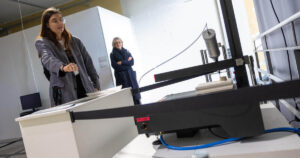
Industrial designer and researcher Yonatan Hopp operates at the intersection of digital fabrication, traditional craft, and industrial design. Working out of his studio at Nicholson File Art Studios in Providence, Rhode Island, Hopp employs a hands-on, research-through-making methodology to investigate how automated production tools alter the creation of utilitarian ceramic objects. Rather than simply modifying exterior shapes, his practice re-evaluates the foundational processes of manufacturing, allowing the underlying logic of the machine to dictate the final form.
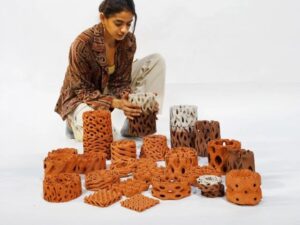
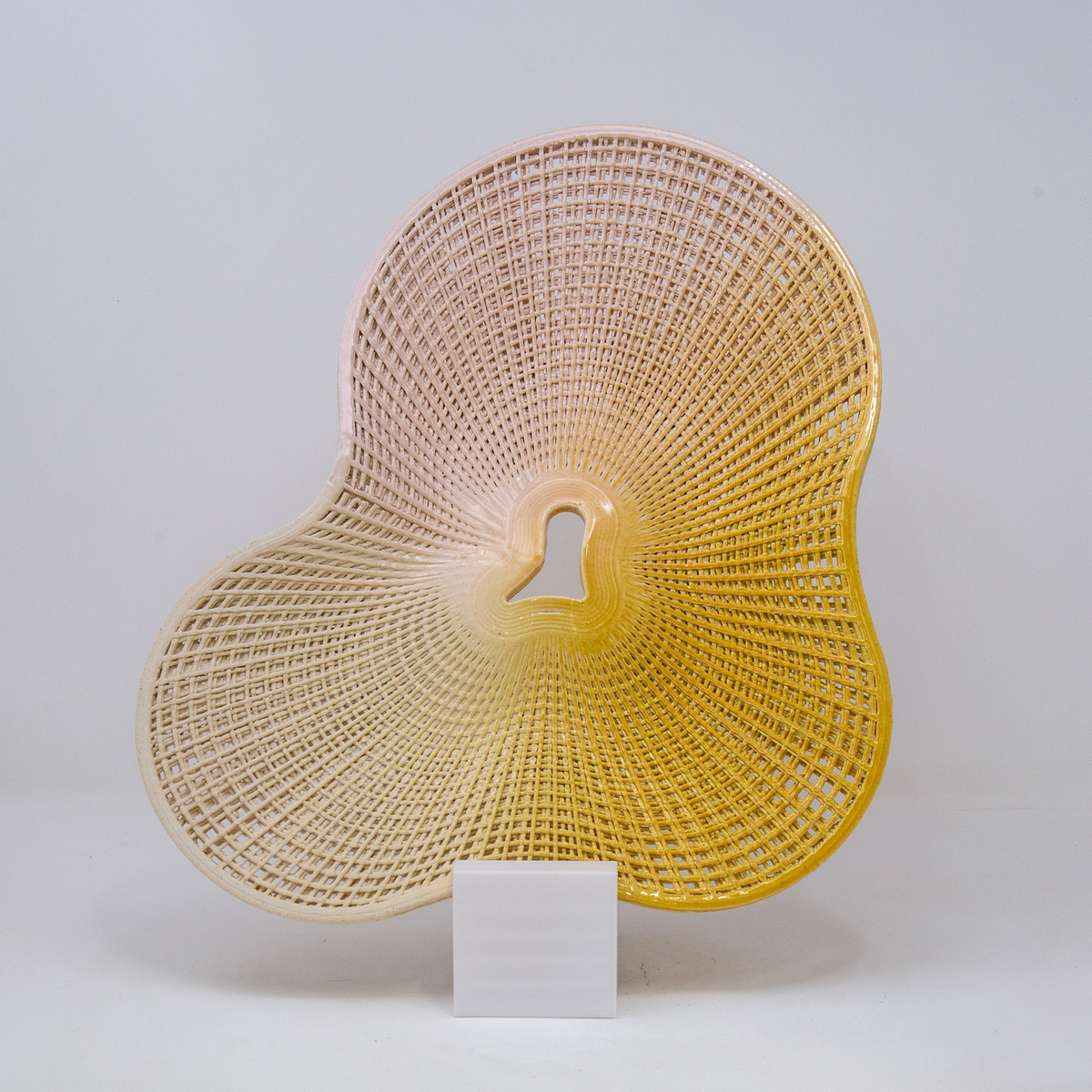
By centering his investigations on machine-driven processes, Hopp generates complex ceramic geometries that resist conventional pre-conceptualization. This approach yields objects that respond directly to abstract functional concepts such as containing and connecting. Operating primarily with ceramic materials, his research questions existing archetypes and traditions, seeking instead to establish original object languages derived entirely from the inherent properties of digital additive manufacturing.
Hardware and Production Configuration
For his studio production and exploratory fabrication runs, Hopp relies on reliable hardware designed specifically for earthen and ceramic media. The technical parameters of his active studio setup involve specific equipment choices:
- Primary Hardware: LUTUM 4.6 clay printer, manufactured by VormVrij 3D.
- Extrusion System: Pneumatic or auger-based clay extrusion tailored for high-viscosity ceramic bodies.
- Material Medium: Specialized ceramic and clay bodies selected for structural integrity during layered deposition.
- Studio Location: Nicholson File Art Studios, Building 38, 350 Kinsley Ave, Providence, RI, USA.
- Creator Background: BFA in Industrial Design from Rhode Island School of Design (2001); MDes in Industrial Design from Bezalel Academy of Art and Design, Jerusalem (2013).

Investigating the Logic of G-Code and Extrusion
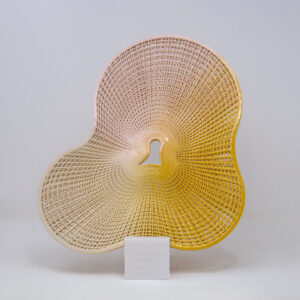
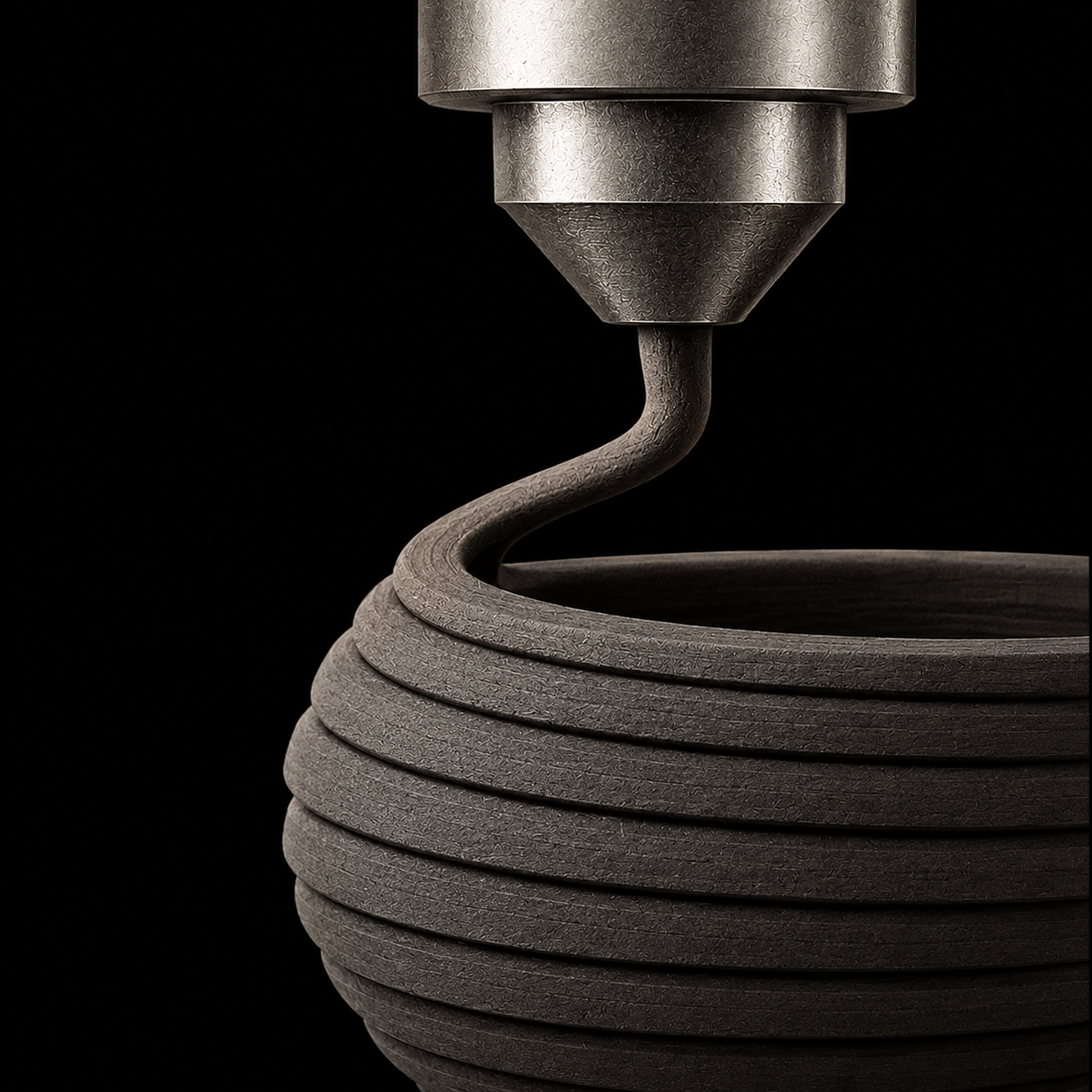
Digital production equipment fundamentally blurs the line between unique craft objects and serially produced industrial goods. For Hopp, the LUTUM 4.6 system provides the necessary control to execute precise trajectories while maintaining the responsive, experimental workflow typical of studio ceramics. Projects such as his gcode plates, ram stools, and glaze prints demonstrate an ongoing inquiry into toolpaths as a primary design driver. By writing and modifying custom movement instructions, the designer sidesteps traditional hand-forming limitations without falling back on standard industrial molds.
This methodology relies heavily on understanding the rheology of clay. The paste must support subsequent layers without slumping while maintaining adequate moisture for bonding. The LUTUM hardware facilitates this balance through consistent pressure regulation and steady feed rates, ensuring that intricate toolpath variations translate accurately into the physical clay body prior to drying and firing.
Academic Context and Material Exploration
Hopp brings extensive academic experience to his studio practice. Between 2018 and 2023, he served as an Associate Professor at the New York State College of Ceramics at Alfred University, and he currently holds the position of Associate Professor of Industrial Design at the Rhode Island School of Design (RISD). This academic background underpins a rigorous, critical approach to material science and digital tools, positioning his studio work within a broader discourse on material culture.
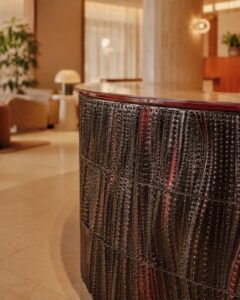
His exhibited works—spanning cast porcelain monotypes, 3D glaze prints, and structural ceramic elements—highlight the expanding scope of additive manufacturing in contemporary design. By treating the printer as a collaborative tool rather than a mere production appliance, Hopp demonstrates how emerging manufacturing techniques can expand the vocabulary of ceramic art and architecture.

Implications for Ceramic Artists and Additive Manufacturing
The integration of dependable hardware like the LUTUM 4.6 into independent studio practices offers valuable insights for ceramicists, architects, and industrial designers alike. As digital fabrication tools become more accessible, the challenge shifts from hardware operation to the invention of meaningful material expressions. Hopp’s work suggests that the true value of ceramic 3D printing lies not in mimicking industrial speed or replicating traditional hand-thrown forms, but in developing native digital vocabularies.
For practitioners working with earthen materials, the methods demonstrated at the Providence studio point toward a future where automated deposition coexists with critical material inquiry. By embracing the unresolved, process-driven nature of extruded clay, creators can bypass conventional design limitations and open up new avenues for functional and sculptural ceramic production.
Original Source
Sources: