Democratizing Ceramic Additive Manufacturing Through Hand Gestures
Designer Felicitas Ferch connects digital interaction design and physical ceramic production using a gesture-controlled clay 3D printer in her project ‘From Gesture to Object’.
Published: November 23, 2026 • Original report: 2026-11-20
Democratizing Ceramic Production Through Intuitive Input
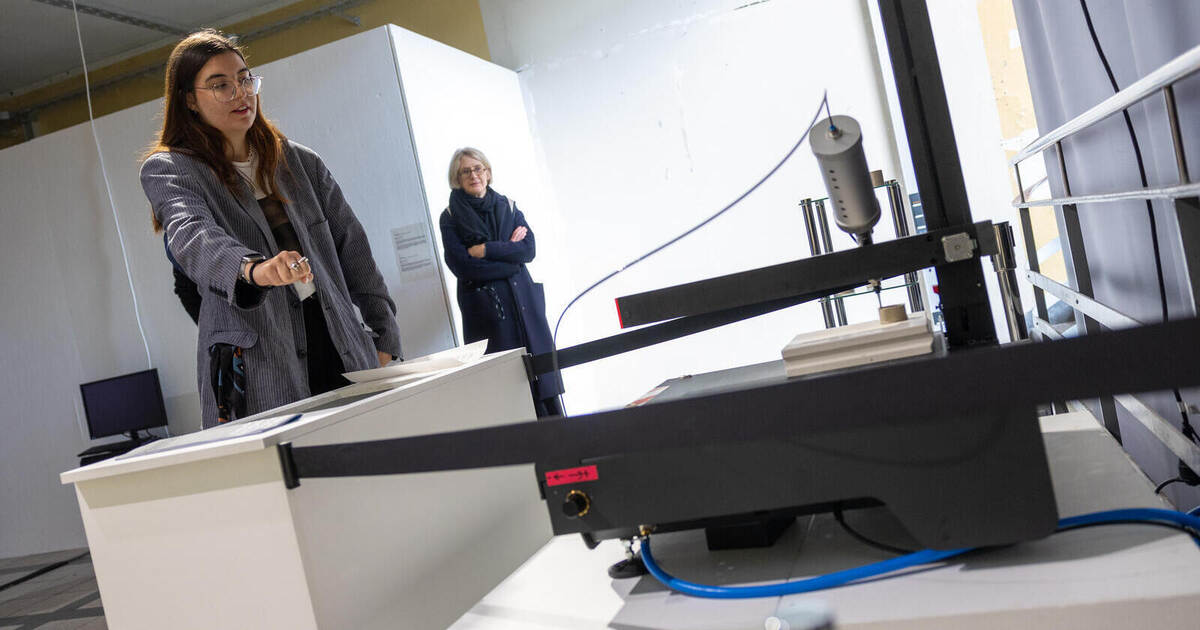
Digital fabrication tools traditionally rely on complex computer-aided design software, creating a barrier between non-technical users and manufacturing hardware. In her project titled “From Gesture to Object,” designer Felicitas Ferch addresses this gap by introducing a body-driven interface for ceramic additive manufacturing. Exhibited at the A.K.T space in cooperation with Pforzheim University, the installation allows visitors to interact directly with digital tools and shape personalized espresso cups through defined hand movements.
This approach bypasses traditional digital modeling workflows. Instead of manipulating vectors or drawing planes on a desktop computer, participants use physical gestures to direct the geometry of the final vessel. Once a visitor completes their interaction, the physical clay form is printed, dried, glazed, and fired by the designer, translating ephemeral human movement into a permanent ceramic object.
Key Facts and Technical Specifications
The project integrates digital interfaces with conventional material extrusion hardware to study human-machine collaboration in an exhibition context.
- Core Technology: Gesture-controlled clay 3D printing system
- Exhibition Venue: A.K.T cultural space, Pforzheim, in cooperation with Pforzheim University
- Material: Ceramic body suited for slip-cast or plastic clay extrusion, finished with traditional glazing and firing
- Output Object: Custom espresso cups shaped directly by visitor movement
- Operating Schedule: Fridays and Saturdays (14:00 – 19:00), Sundays (11:00 – 19:00) as part of the “Future Narratives – Shaping Tomorrow In The Age Of Intelligent Machines” exhibition
Translating Movement Into Extruded Clay Geometry
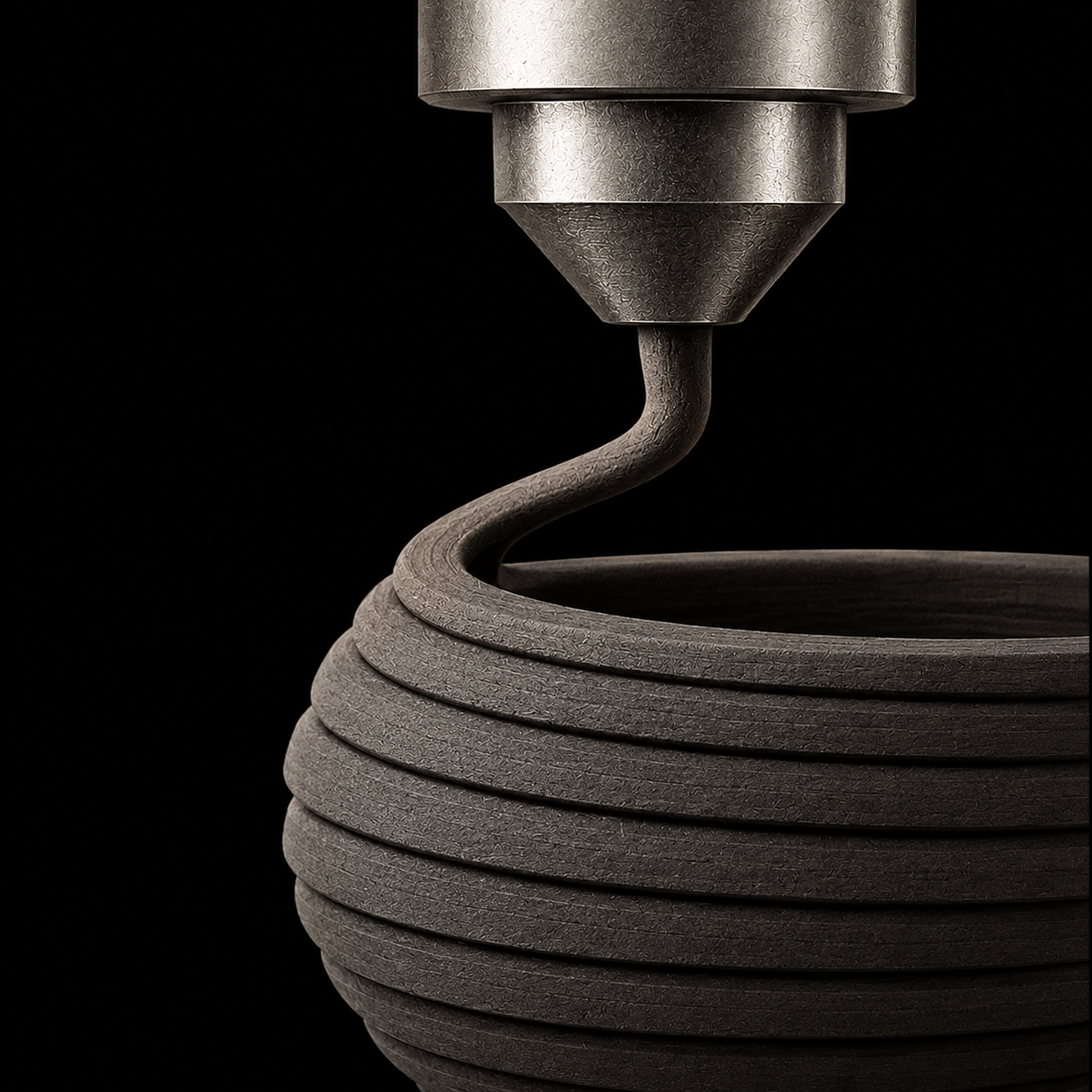
The technical foundation of “From Gesture to Object” relies on capturing physical motion and translating spatial data into machine toolpaths in real time. By removing the need for conventional CAD software, the system treats the clay printer as an extension of the human body. The physical object emerges as a direct imprint of gesture, operating as an embodied sketch formed entirely within the physical realm.
This workflow shifts the focus of ceramic 3D printing from industrial efficiency to emotional and tactile engagement. The extrusion process itself becomes part of the performance, allowing museum and gallery visitors to observe how digital parameters derived from bodily movement affect the deposition of plastic ceramic material layer by layer.

Background on the Creator and Institutional Context
Felicitas Ferch studied communication design and is currently pursuing a Master’s degree in Design and Future Making at Pforzheim University. Her practice explores the intersection of technology, human perception, and design, investigating how digital experiences can be enriched through touch, sound, and immersive environments.
Her participation as a designer in the “Artist/Designer in Lab” program, part of the Fraunhofer-Network for Science, Art, and Design, supports this interdisciplinary research. The exhibition itself falls under the broader thematic umbrella of “Future Narratives – Shaping Tomorrow In The Age Of Intelligent Machines,” an initiative examining the evolving relationship between humans, automation systems, and physical environments.
Practical Context for Ceramic Artists and Additive Manufacturing
For the broader community of ceramic artists, studio potters, and additive manufacturing practitioners, projects of this scale highlight alternative pathways for human-computer interaction. While industrial ceramic printers focus primarily on high-precision architectural components or automated production scaling, experimental interfaces open up new possibilities for public engagement and bespoke craftsmanship.
By lowering the technical threshold required to operate digital machinery, such installations demonstrate how ceramic 3D printing can be integrated into public workshops, educational institutions, and interactive art spaces. The methodology offers valuable insights into how makers might design more intuitive, accessible hardware control systems for future ceramic studios.
Original Source
Sources: