Dutch Research Facility Explores 3D Clay Printing for Facades and Interiors
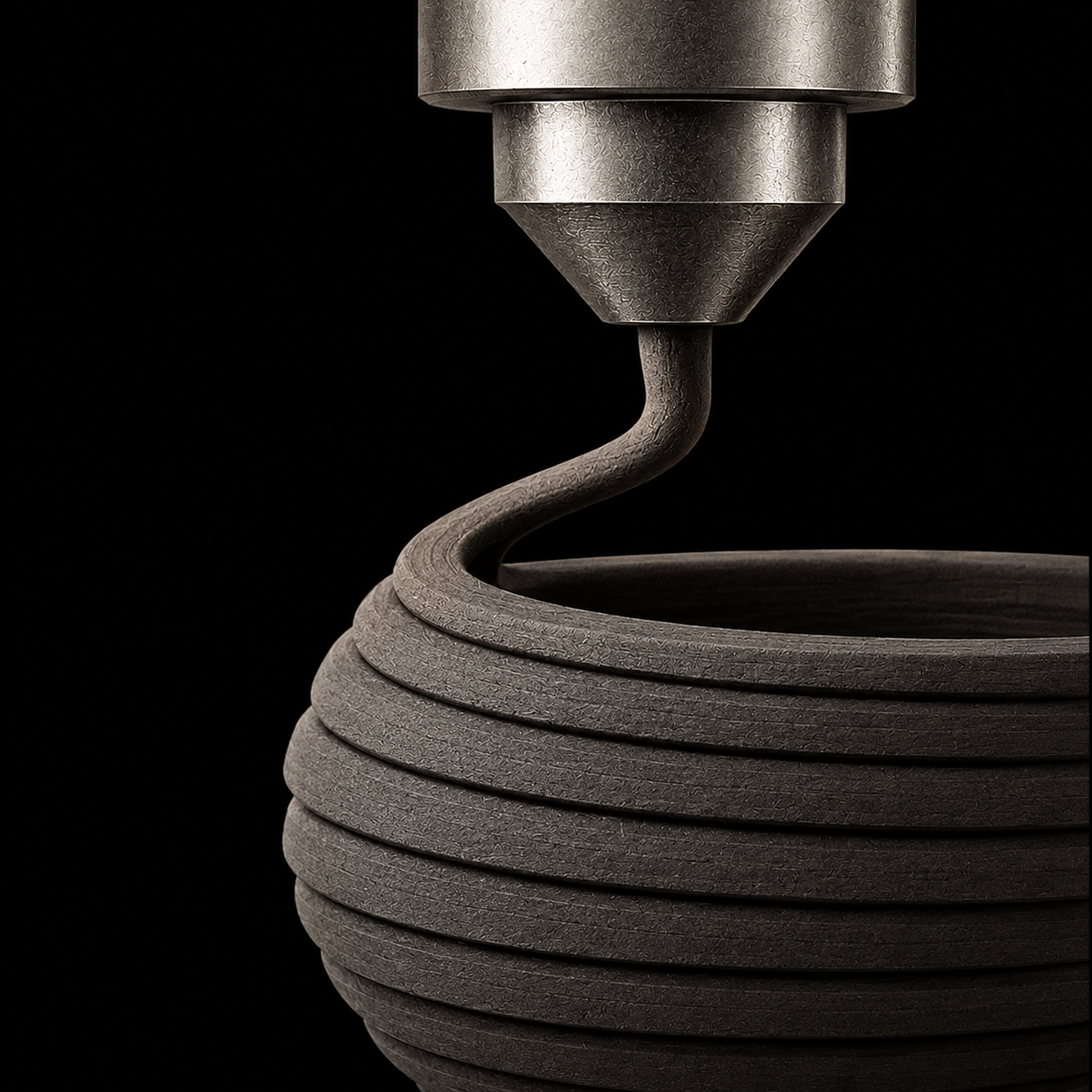
A research facility in the Netherlands is investigating 3D clay printing to produce lightweight ceramic elements for architectural facades and interiors. The work runs alongside robotic concrete printing and bio-composite winding projects using ABB robots.
Published: November 28, 2026 • Original report: 2026-11-25
Department of the Built Environment
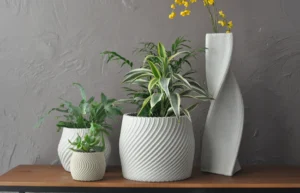
The Structural Engineering and Design department at the TU Eindhoven in the Netherlands has initiated a new research line focused on 3D clay printing to produce lightweight ceramic elements for architectural facades and interiors. Reported in November 2026, the initiative aims to identify sustainable alternatives to conventional construction materials such as concrete, steel, and glass.
By combining computational design with traditional craft, the researchers are developing prototypes that demonstrate how locally sourced Dutch clay can be applied in the built environment. Alongside ceramic additive manufacturing, the facility utilizes ABB industrial robots for topology-optimized 3D concrete printing and investigates bio-composite winding structures.
Key Facts & Specifications
- Location: The Netherlands
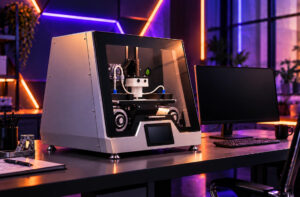
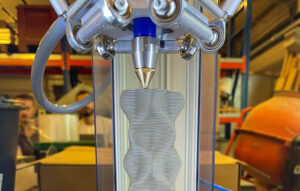
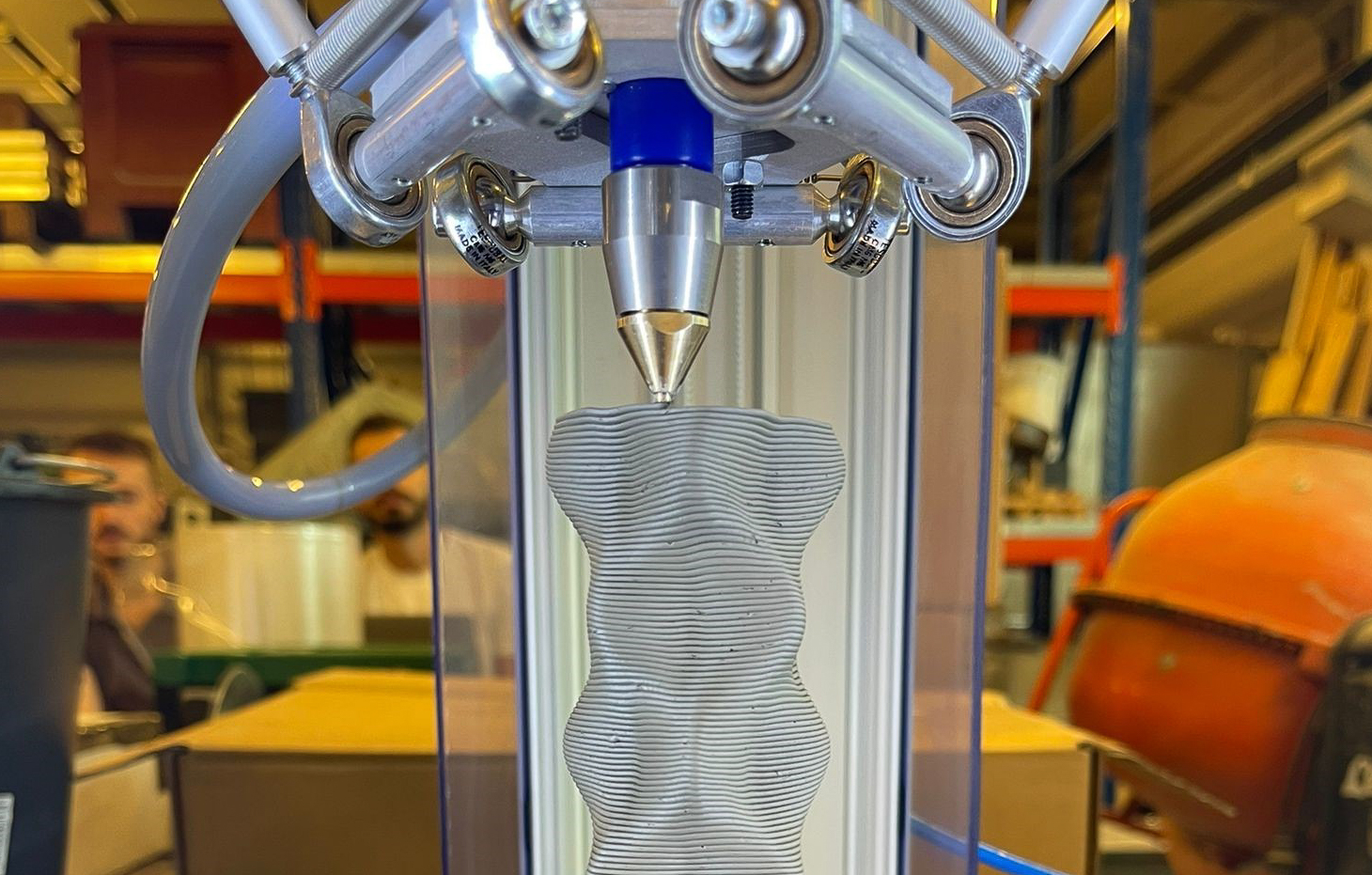
- Hardware: Wasp delta, ABB industrial robots equipped with extrusion nozzles and external pumping systems
- Primary Materials: Locally available Dutch clay, fresh concrete, and bio-composite ropes (natural fibers with synthetic resin)
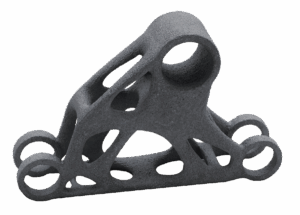
- Applications: Lightweight ceramic facade and interior elements, topology-optimized concrete structures, and load-bearing winding geometries
Robotic Extrusion and Material Considerations
The clay printing research focuses on earth as a reusable, widely available material capable of forming complex geometric shapes for pavilions, facades, and structural pillars. Because the Netherlands offers access to multiple clay varieties, the team is testing how different local compositions perform in architectural applications.
In parallel, a graduation project at the facility uses ABB robots for small-scale, topology-optimized concrete printing. Digital models are converted into coordinate-based printing paths, while an external pump supplies concrete at a constant rate through a hose and nozzle. Adjusting the robot’s movement speed alters the width of each extruded layer, though balancing the flowability and buildability of fresh concrete remains a primary technical challenge.

Project Video
Original Source
Source Page: 3D Clay Printing at TU eindhoven