Additive Manufacturing of Technical Ceramics: Precision and Design Flexibility
Explore how additive manufacturing and advanced technical ceramics like SiSiC deliver high-precision, complex geometries for industrial applications.
Published: November 28, 2026 • Original report: 2026-11-25
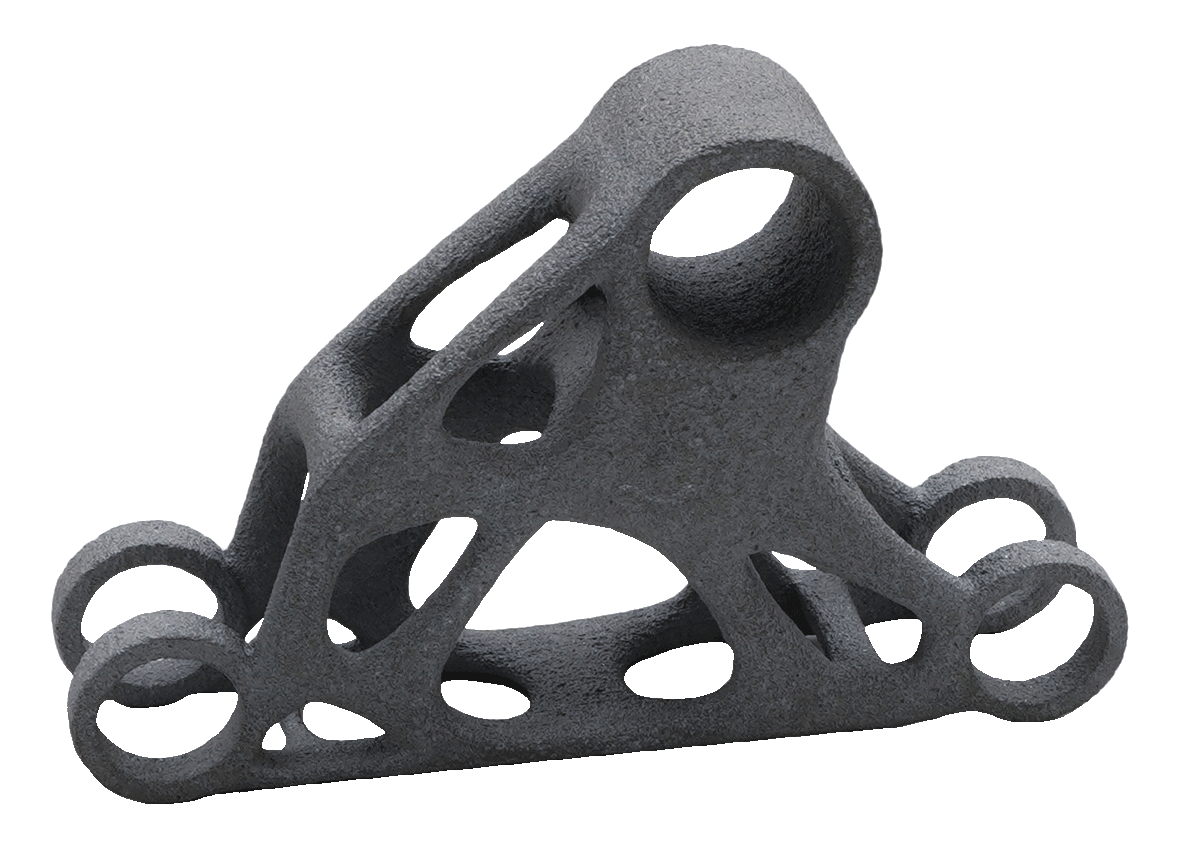
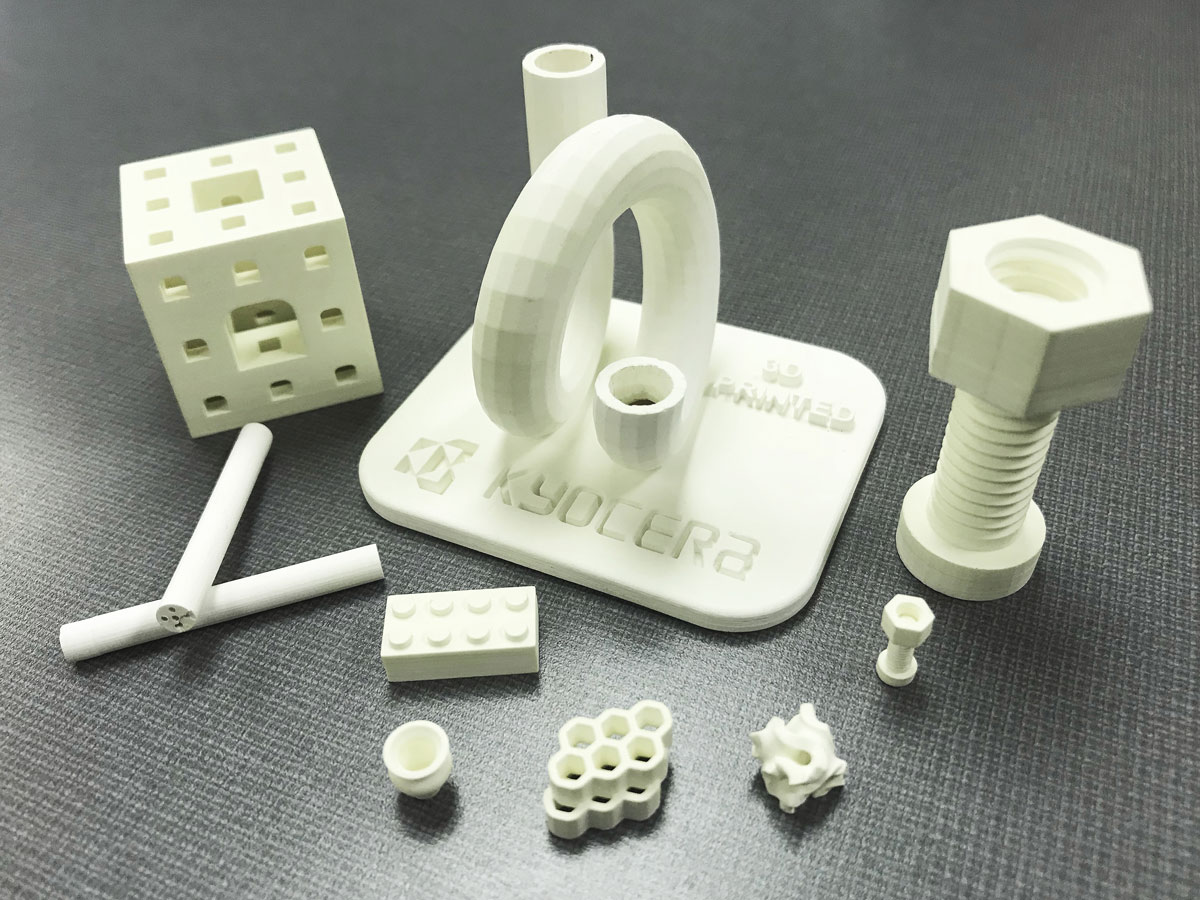
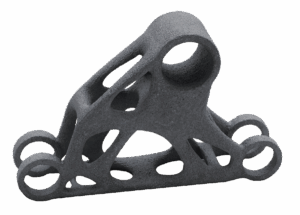
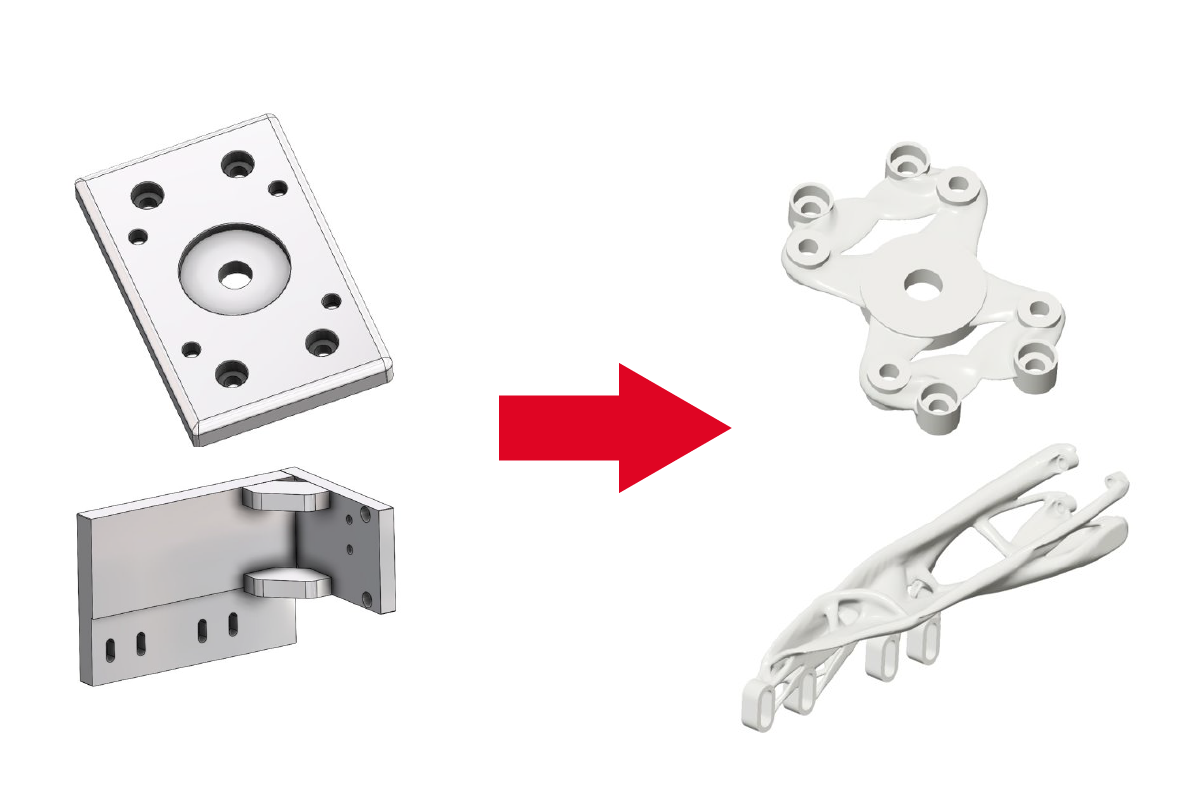
Additive manufacturing has transformed the production of complex high-performance components, offering design flexibility that traditional methods often fail to achieve. Unlike conventional forming techniques such as slip casting or isostatic pressing, ceramic 3D printing enables the direct fabrication of intricate lattice structures, topology-optimized geometries, and undercuts. This capability is vital for demanding industrial sectors where standard manufacturing approaches reach their physical limits.
Organizations specializing in technical ceramics, such as Kyocera Fineceramics Europe GmbH, utilize advanced additive processes to produce durable, high-precision components. By combining material expertise with specialized design centers, manufacturers support clients from rapid prototyping through to series production. The elimination of green machining allows for significantly shorter production lead times, ensuring that functional prototypes and end-use parts can be delivered efficiently.

Key Facts and Technical Specifications
- Core Material: Silicon infiltrated silicon carbide (SiSiC), processed via StarCeram® AM-Si.
- Fabrication Process: Binder jetting of silicon carbide powder and a polymer binder, followed by molten silicon infiltration.
- Maximum Component Dimensions: Up to 325 x 270 x 130 mm.
- Minimum Wall Thickness: Greater than 3 mm.
- Primary Material Properties: Exceptional mechanical high-temperature strength, high thermal shock resistance, low thermal expansion, and very high thermal conductivity.
The Fabrication Workflow for Silicon Carbide Ceramics
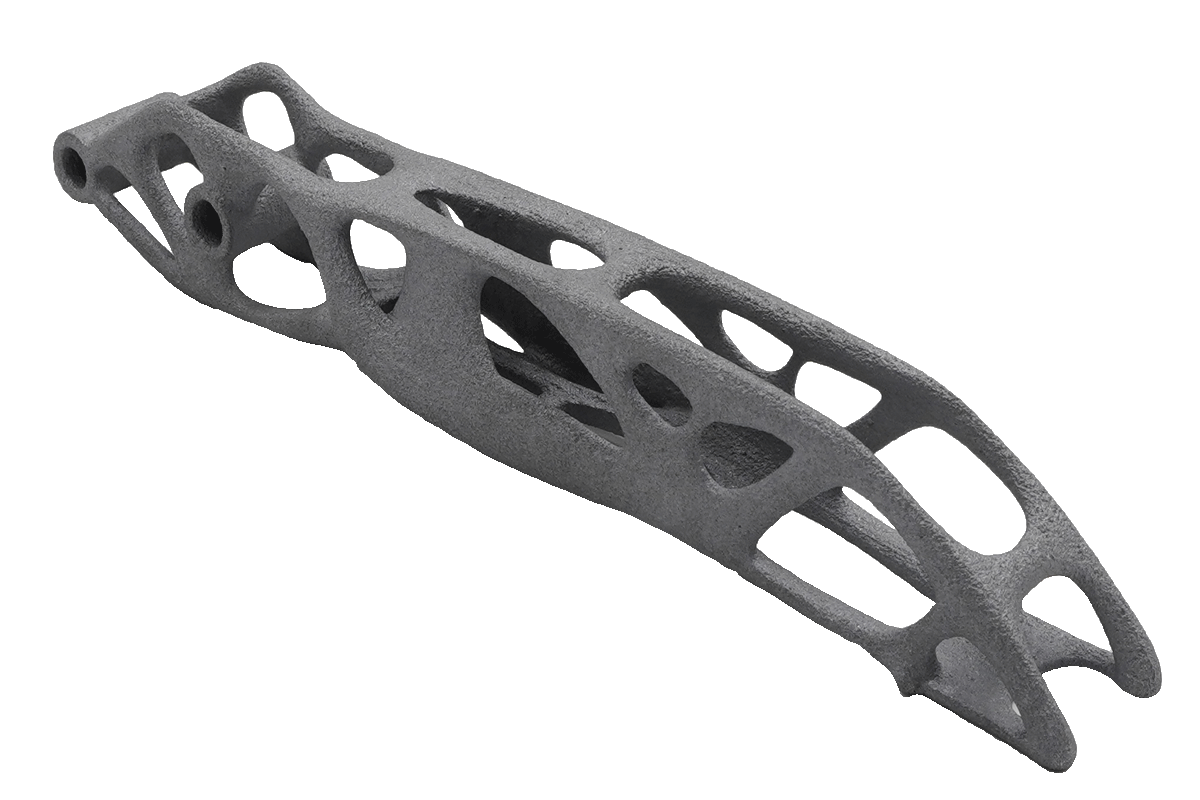
The creation of high-performance technical ceramic components through binder jetting involves a precise two-stage manufacturing workflow. Initially, a green part is printed layer-by-layer using silicon carbide powder combined with a polymer binder. This phase allows for the realization of complex internal channels and curved surfaces that would be impossible with traditional molds.
Following the printing phase, the green part undergoes infiltration with molten silicon. The liquid silicon reacts directly with the residual carbon within the matrix, forming the final silicon infiltrated silicon carbide structure. This thermal and chemical transformation yields a homogeneous, high-density material known for its extreme wear resistance and thermal stability in harsh environments like aerospace and semiconductor manufacturing.
Engineering Expertise and Material Advantages
Technical ceramics differ fundamentally from organic or metallic materials, offering specialized characteristics tailored for extreme operational environments. The primary advantage of ceramic additive manufacturing lies in its geometric freedom. Designers can optimize component topologies to achieve significant weight reduction while maintaining structural rigidity.
Furthermore, the material properties of SiSiC provide reliable performance under high thermal loads and corrosive conditions. Beyond the basic printing and sintering processes, advanced post-processing techniques—including specialized coatings and precision finishing—help expand the functional application range of these printed ceramic parts, ensuring compliance with strict industrial standards.
Practical Context for Additive Manufacturing and Architecture
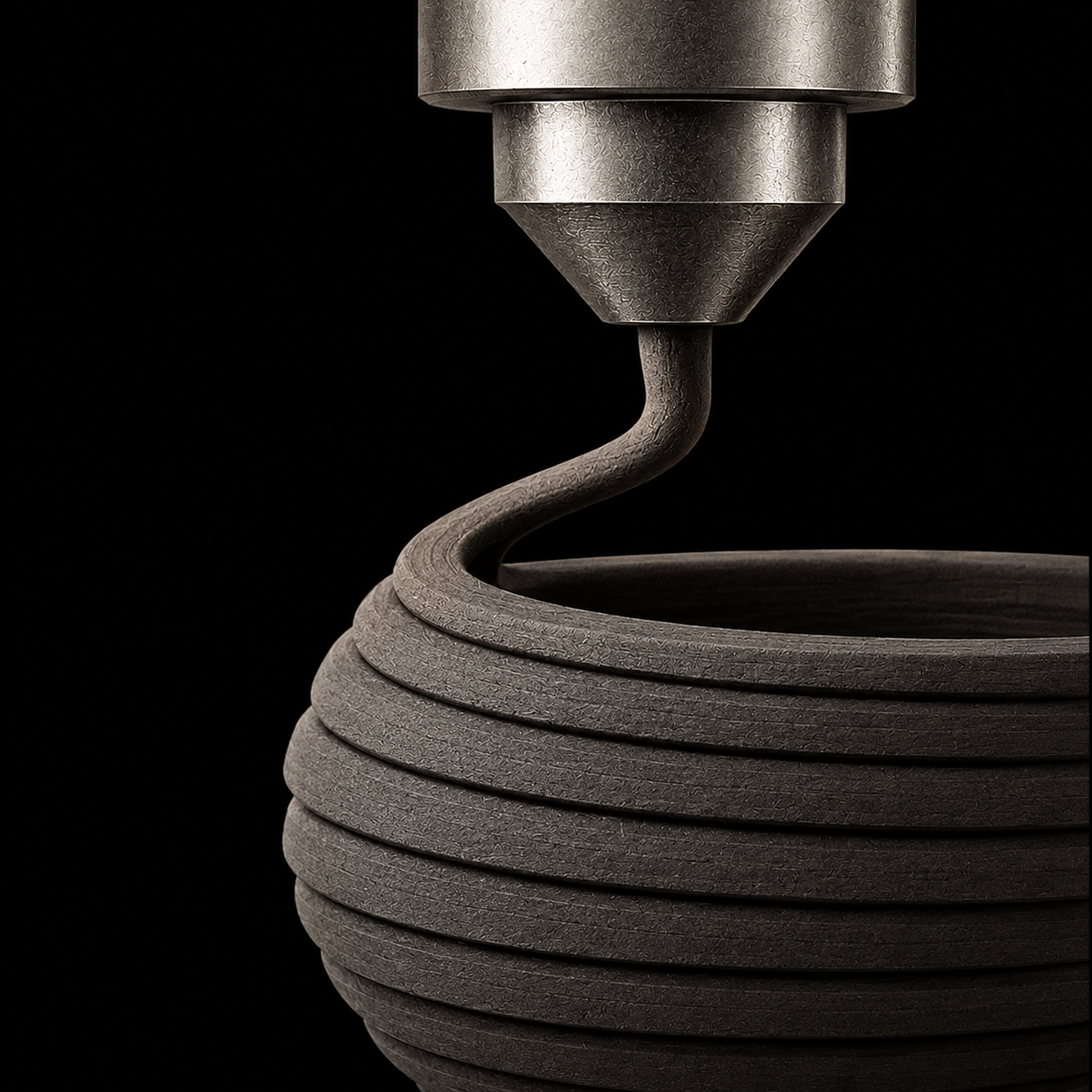
For industrial engineers, ceramic artists, and additive manufacturing specialists, the integration of technical ceramics opens new pathways for functional components. While traditional clay printing focuses largely on aesthetic architecture and earthenware, industrial ceramic 3D printing bridges the gap between digital design and high-stress mechanical applications.
By leveraging custom geometries and reliable material behaviors, sectors ranging from electronics to heavy industrial processing can deploy components designed specifically for efficiency and safety. As material science and printer hardware continue to mature, additive manufacturing remains a critical tool for advancing ceramic component production.
Original Source
Sources: