bioMATTERS 3D Prints MYCO-CLAY Interior Objects with Mycelium & Clay
Design studio bioMATTERS has unveiled the ‘MYCO-CLAY’ collection, utilizing 3D printing, earthenware clay, and fungal networks to create sustainable, biodegradable interior vessels.
Published: April 2, 2024 • Original report: 2024-03-30

Design innovation meets organic growth in the latest creation from New York and London-based studio bioMATTERS. Led by Nancy Diniz and Frank Melendez, the studio has introduced the ‘MYCO-CLAY’ collection, a series of 3D printed interior objects that successfully merge computational design with regenerative biological materials. By combining earthenware clay, fungal mycelium networks, and industrial or domestic waste streams, the studio is pioneering novel bio-fabrication workflows for home goods and interior spaces.
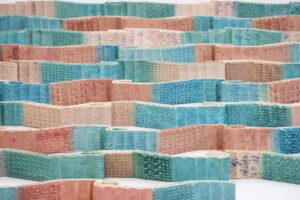
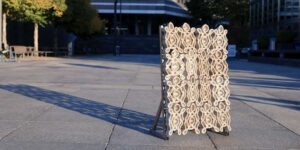
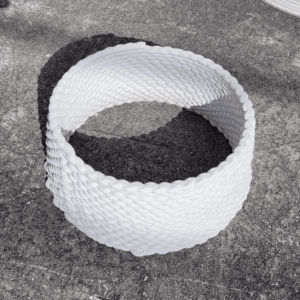
The resulting vessels and bowls reflect a distinct post-digital aesthetic inspired by natural biomechanical growth patterns. Utilizing advanced generative design and 3D printing technologies, bioMATTERS developed unique morphologies through growth algorithms. The foundations of the bowls draw direct inspiration from traditional basket weaving techniques, incorporating intricate beading effects and variable exterior protrusions that yield archaic, cavernous, and petrologic forms.
Key Highlights & Specifications
- Studio: bioMATTERS (led by Nancy Diniz and Frank Melendez)
- Locations: New York and London
- Collection Name: MYCO-CLAY
- Core Materials: Earthenware clay, mycelium (entangled hyphae filaments), and domestic/industrial waste materials
- Output Objects: Biodegradable interior vessels and bowls
- Post-Processing Growth Phase: 1 to 2 weeks for mycelium colonization
Material Composition and Bio-Digital Workflow
The manufacturing process bridges digital fabrication with biological cultivation. Initially, computational software decodes growth algorithms to map out the complex geometries of the vessels. This digital blueprint is then translated into toolpaths for the 3D printer, which extrudes the specialized mixture of clay and waste materials at speed, allowing for the rapid production of multiple pieces.
Once printed, the objects enter a crucial post-processing growth period lasting between one and two weeks. During this window, the living mycelium actively colonizes the exterior of the printed structures. As time progresses, the fungal network densifies, creating a thicker tissue resembling a delicate spider web matrix. This natural biological development functions essentially as a living bio-glaze over the terracotta clay substrate, highlighting the slow, organic graduation of natural colors and textures.
Implications for Ceramic & Clay Additive Manufacturing
This project represents a significant cultural shift toward biomaterial integration within architecture and design. By pairing clay—a locally sourced, plentiful material utilized by humans for millennia—with regenerative mycelium and nutrient-rich waste substrates, bioMATTERS demonstrates a closed-loop approach to crafting interior objects. For ceramic artists, architects, and makers, the collection showcases how traditional earth materials can be enhanced by living organisms to achieve contemporary bio-aesthetics and forward-thinking bio-digital craftsmanship.
Source & Project Documentation
Primary Sources: