VormVrij 3D Introduces LUTUM® Eco Clay Extruder for Budget Makers
VormVrij 3D has launched the LUTUM® Eco Clay Extruder, offering a budget-friendly and accessible hardware solution for smaller DIY ceramic 3D printing projects and experimental setups.
Published: April 4, 2020 • Original report: 2020-04-01
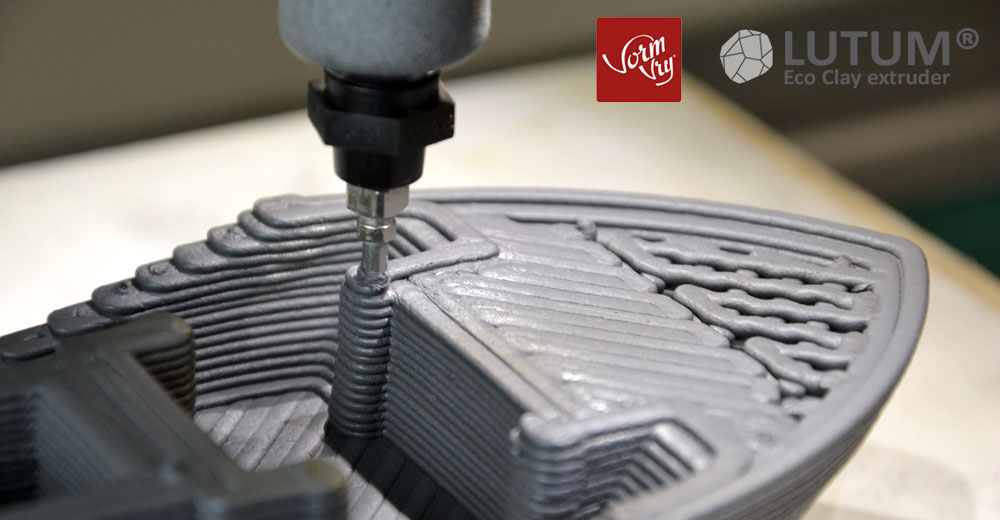
VormVrij 3D Expands Ceramic Lineup with the Budget-Friendly Eco Extruder
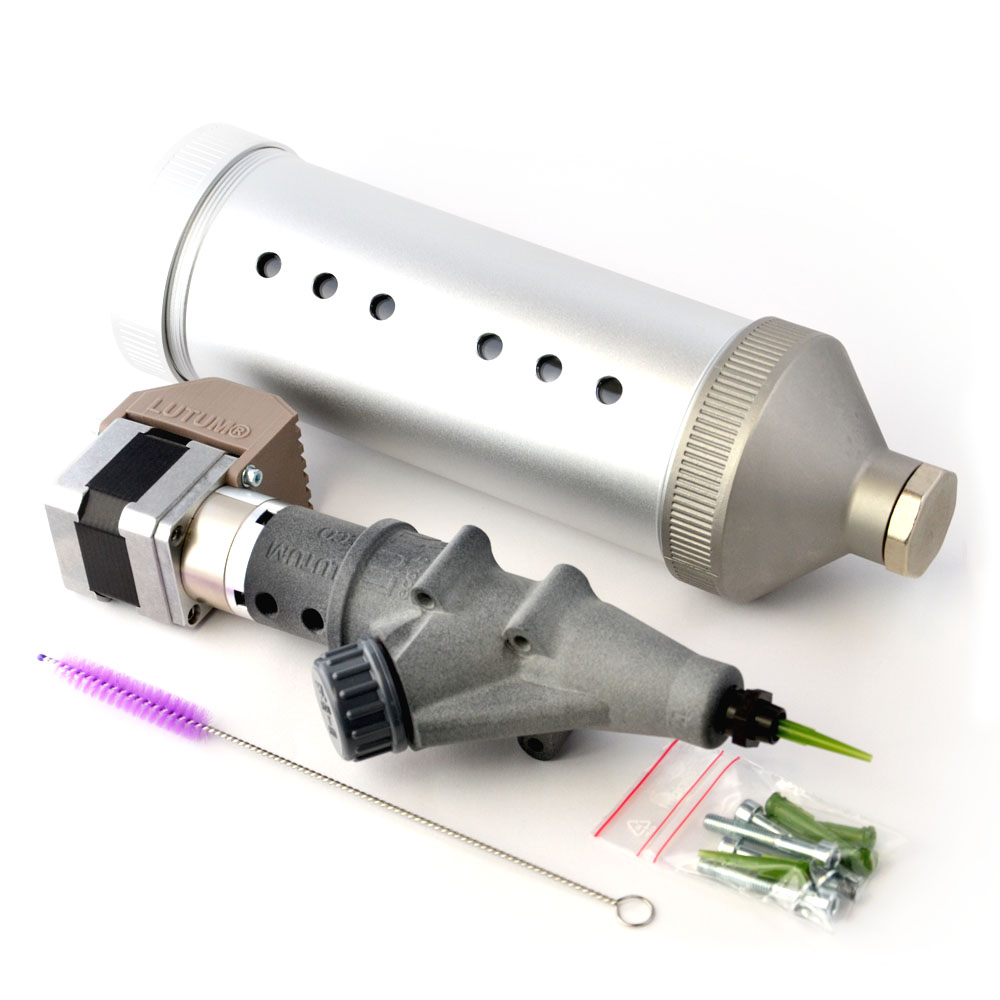
VormVrij 3D, a prominent name in the realm of ceramic additive manufacturing, has officially announced the launch of the LUTUM® Eco Clay Extruder. Designed as a workable and more affordable alternative to their professional-grade stainless steel CNCed v9 extruder, this new release targets smaller DIY projects and experimental clay printing setups rather than high-volume, professional-scale manufacturing. Having undergone several months of testing without exhibiting any drop in print quality, the Eco Extruder offers a streamlined path into ceramic additive manufacturing for makers operating on a tighter budget.
The system is rolled out in multiple flexible purchasing packages to accommodate different maker preferences, ranging from ready-to-go bundles to comprehensive do-it-yourself options. Whether users want a fast setup out of the box or prefer sourcing and assembling parts independently, VormVrij 3D has structured the availability to suit varied technical comfort levels and workshops. Worldwide shipping is available for both the bundled versions and the component kits.
Key Highlights & Specifications
- Package Options: Available as a standard package (eco extruder, metal cartridge, and 1 extra empty PET sleeve), extruder-only, a full DIY assembly set (optional metal cartridge), or a partial DIY kit via Shapeways.
- Mounting Requirements: Requires four M5 threaded holes for mounting, secured using four included M5x35 hex bolts.
- Fittings & Threads: Standard G1/4″ thread on the barrel and standard G3/4″ thread on the clay inlet side.
- Auger & Plastics: Standard bundles feature an SLS-printed stainless steel auger. Plastic components are produced from grey nylon via an HP printer.
- Internal Seals: Features two internal seals, consisting of a small O-ring holding seal and a 10bar pressure seal around the extruder.
- Included Accessories: 1/4″ male PP black Leur nozzle adapter, five 1.4mm standard green nozzle tips, a 10mm barrel cleaning brush, and four M5x35 hex bolts.
- Electronics Connection: Connects via a standard UTP/RJ45 cable wired to the printer electronics to send the stepper signal to the Nema17 drive motor.
Materials, Mechanics, and Extrusion Workflow
The operational workflow of the Eco Extruder centers on driving clay paste through a pressurized barrel via a specialized auger screw powered by a Nema17 drive motor. When opting for the Shapeways DIY kit, users must source the plastic parts and the auger screw externally; notably, the Shapeways kit utilizes a steel-bronze alloy variant instead of the stainless steel auger. Because of the nature of 3D-printed raw components, the DIY route demands manual post-processing: the auger screw surface requires thorough sanding, and plastic parts must be bored out using standard workshop tools—including an electrical drill and drill bits in 3mm, 10mm, 10.5mm, and 11mm sizes—to ensure the inner surfaces are sufficiently smooth for flawless printing.
When it comes to compatible print media, the Eco Extruder handles any standard stoneware clay possessing the proper viscosity. A reliable rule of thumb is that if the clay can be easily hand-sculpted, it is generally suitable for printing. Earthenware clays and clay bodies containing up to 25% grog content (with a maximum 0.2mm particle size) are fully supported, along with other pastes sharing similar rheology. Pure porcelain cannot be printed without specific chemical additives, though pre-mixed porcelain specifically formulated for 3D printing can be acquired from Imerys France.
Why It Matters for Ceramic Artists, Architects, and Makers
For independent ceramic artists, hobbyists, and experimental designers who have previously been priced out of professional ceramic additive manufacturing equipment, the LUTUM® Eco Clay Extruder represents a significant opportunity. By lowering the financial barrier to entry, VormVrij 3D enables a wider community of creatives to explore earthen architecture workflows, sculptural ceramics, and functional pottery prototyping. Although it is not built for the rigorous demands of industrial, high-volume production schedules, its dependable output during testing makes it an ideal stepping stone for makers wanting to integrate clay extrusion into their desktop or studio toolkits without committing to high-end commercial hardware investments.
Project Video
Source & Project Documentation
Primary Sources: