The Clay Pantry: 3D Printed Terracotta Containers Combat Food Waste
Designer Lea Randebrock has introduced a series of 3D printed terracotta storage containers designed to extend the shelf life of produce through evaporative cooling. This sustainable collection blends traditional preservation methods with modern additive manufacturing techniques.
Published: September 4, 2020 • Original report: 2020-09-01
A Sustainable Solution for Modern Homes
During the recent global lockdowns, many individuals turned to creative pursuits to pass the time. For Lea Randebrock, a Finnish-German designer at London’s Royal College of Art, this period served as the catalyst for “The Clay Pantry,” a collection of 3D printed ceramic containers engineered to combat the growing issue of household food waste. With global food waste estimates reaching 1.3 billion tons annually, Randebrock sought to bridge the gap between industrial-scale waste management and consumer-level habits.
By drawing inspiration from traditional, ancestral food storage techniques and adapting them for contemporary living spaces, Randebrock has developed a suite of objects that are as aesthetic as they are functional. These containers serve as specialized environments tailored to the specific humidity and temperature needs of various fruits and vegetables, offering a low-tech yet scientifically sound method for extending the freshness of produce.
Key Highlights & Design Specifications
- The Collection: Includes three primary functional pieces: the Root Stool, the Fruit Shelf, and the Tempered Box.
- Material Composition: Constructed from porous terracotta clay, allowing for natural breathability and moisture management.
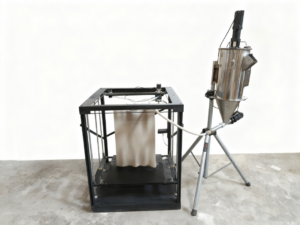
- Prototyping Method: Developed using a modified, hacked 3D printer, demonstrating the accessibility of clay additive manufacturing during restricted circumstances.
- Preservation Mechanism: Utilizes passive evaporative cooling; the containers function similarly to plants and must be watered periodically to maintain their cooling effects.
- Intended Aesthetic: Designed to complement minimal, modern interior styles and plant-filled living environments.
Functionality and Additive Workflow
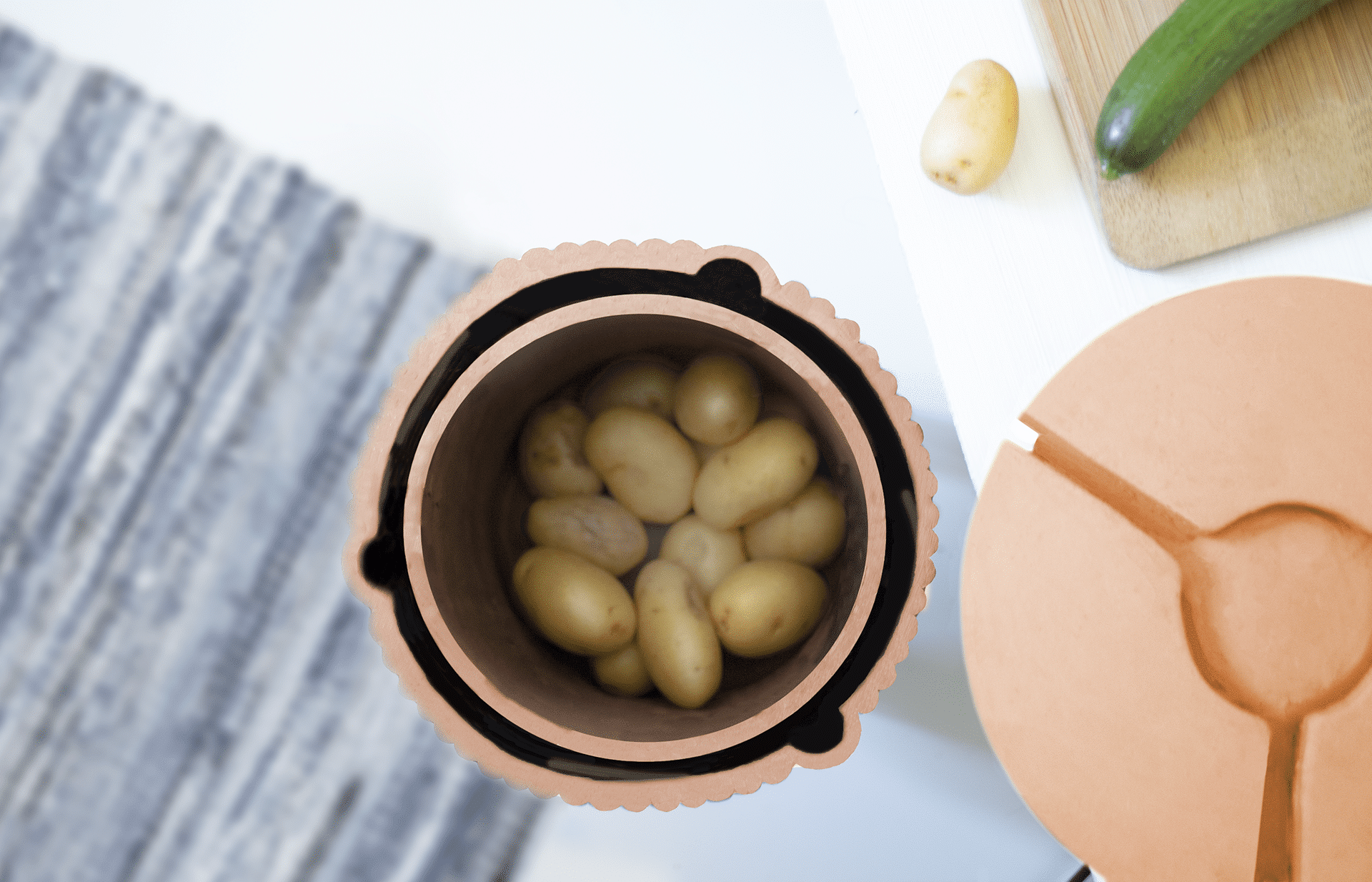
The core efficacy of The Clay Pantry lies in the material properties of the terracotta itself. The 3D printed vessels are designed to be filled with water, which then migrates through the porous walls of the clay. As the water evaporates from the exterior surface, it creates a localized cooling effect, lowering the internal temperature of the container. This simple physical phenomenon allows the pieces to regulate their internal environment effectively.
The workflow for these pieces blends digital precision with the organic nature of clay. The Root Stool, for instance, is crafted to provide a dark, dry sanctuary specifically for root vegetables, preventing premature sprouting or rot. Conversely, the Tempered Box is engineered for produce that thrives in higher humidity, providing a stable, cool micro-climate that simulates the conditions of an earthen cellar within a high-rise apartment.
The Future of Earthen Preservation
The Clay Pantry represents a significant step forward for the intersection of additive manufacturing and sustainable domestic design. For the ceramic 3D printing community, this project highlights how the precision of layered deposition can be harnessed to create complex geometries that traditional wheel-throwing or mold-casting might struggle to replicate efficiently. By leveraging the inherent porosity of ceramic materials, makers can move beyond purely decorative items and toward high-performance functional objects.
For architects and sustainable designers, Randebrock’s work offers a compelling case study on how “smart” design does not always require high-energy electronics. By integrating 3D printing with natural materials, the project proves that sustainable solutions can be both aesthetically beautiful and practically essential in the modern kitchen, ultimately encouraging a more mindful approach to food consumption and resource management.
Source & Project Documentation
Primary Sources: