USF Deploys 3D Printed Clay ORBS to Restore Tampa Bay Oysters
University of South Florida researchers and students have installed 3D printed clay honeycomb structures in Tampa Bay to revive declining oyster populations and combat urban shoreline erosion.
Published: March 16, 2026 • Original report: 2026-03-13

Reviving Marine Habitats with 3D Printed Clay
Students and faculty at the University of South Florida (USF) have completed a groundbreaking pilot installation along the Bayboro Harbor seawall in St. Petersburg, Florida. Utilizing additive manufacturing technology, the team has deployed specialized ceramic structures designed to reverse the severe decline of local oyster populations caused by decades of urban development and the proliferation of synthetic seawalls.
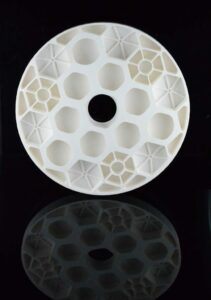
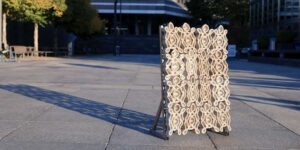
Known as “oyster restoration brick structures” (ORBS), these installations merge functional ecological restoration with advanced design and sculpture. The project represents a vital step in a multi-year conservation effort spearheaded by The Habitat Laboratory, a collaborative partnership involving the USF College of Design, Art and Performance, the Clearwater Marine Aquarium, and various environmental organizations.
Key Highlights & Specifications
- Location: Bayboro Harbor seawall in St. Petersburg, Florida, with plans for roughly 30 total structures across southeast St. Petersburg.
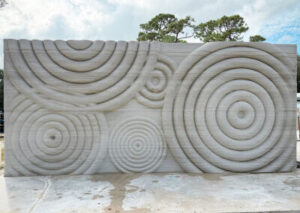
- Material & Geometry: 3D printed clay shaped into an intricate honeycomb pattern.
- Functionality: Serves as a living seawall habitat capable of supporting thousands of oysters, filtering thousands of gallons of water daily, and sheltering over 300 marine species.
- Ecosystem Benefits: Reduces excess nutrients, mitigates harmful algal blooms, and protects shorelines from erosion.
- Collaborative Scope: Involves USF Honors College, USF College of Design, Art and Performance, and USF biology students managing site assessments, printing, installation, and monitoring protocols.
- Open-Source Initiative: Project files will be made publicly available for other educational institutions to replicate and adapt.
The Additive Manufacturing and Material Workflow
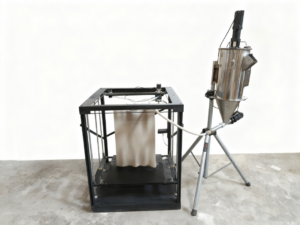
The creation and deployment of these marine habitats highlight the unique capabilities of ceramic additive manufacturing in environmental engineering. Operating under academic coursework, students took direct control of the digital fabrication workflow, managing site assessments and operating the 3D printers to produce the exact geometric configurations required for marine colonization.
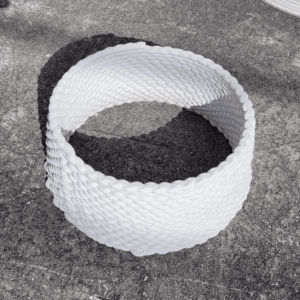
Clay was selected as the foundational medium due to its natural composition and structural reliability in aquatic environments. The printers extrude the material into specific honeycomb geometries optimized to encourage oyster larvae attachment and growth. Following fabrication, the cured clay bricks are transported and integrated directly into the urban shoreline, transforming hard, barren seawalls into thriving, biologically active habitats.
Broader Implications for Ceramic Conservation & Architecture
This initiative underscores the immense potential of 3D clay printing beyond traditional artistic and architectural spheres, showcasing how ceramic additive manufacturing can directly address pressing ecological challenges. For ceramic artists, makers, and architectural designers, the USF project demonstrates how sustainable earth-based materials can be engineered to solve complex urban environmental issues.
Furthermore, by committing to release open-source design files, the project team ensures that other educational institutions and marine researchers can easily replicate, modify, and deploy their own customized reef structures. As biology students continue to monitor fish populations, behavior, and oyster growth protocols over the coming years, this initiative sets a powerful benchmark for integrating digital clay fabrication into large-scale ecological restoration.
Source & Project Documentation
Primary Sources: