Olivier Van Herpt Unveils Blue and White 3D-Printed Porcelain Vases
Renowned designer Olivier Van Herpt showcases a stunning new collection of 3D-printed porcelain vases featuring traditional blue and white aesthetics. Discover how this innovative ceramic additive manufacturing project bridges the gap between digital fabrication and classic pottery.
Published: June 18, 2018 • Original report: 2018-06-15
Exploring the Intersection of Digital Fabrication and Classic Porcelain
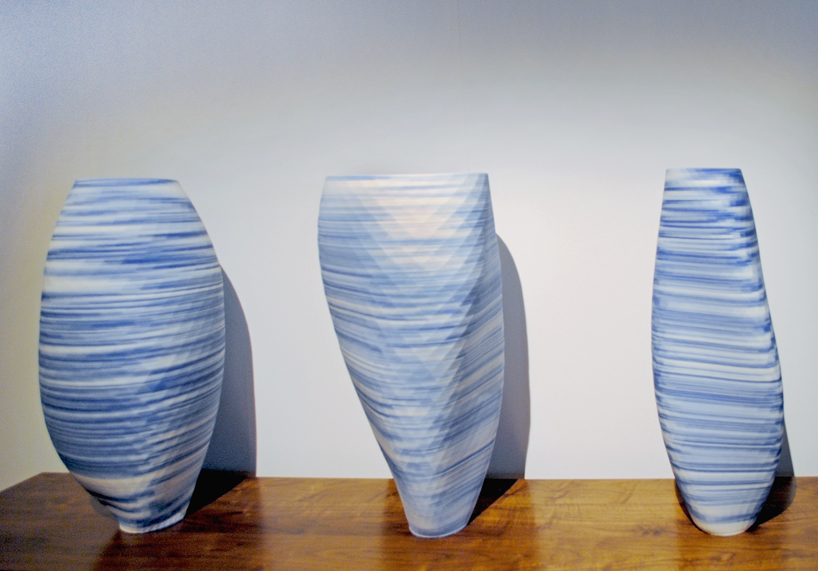
Renowned designer and ceramic innovator Olivier Van Herpt has captivated the design world once again with his latest collection of 3D-printed porcelain vases. Fusing cutting-edge ceramic additive manufacturing techniques with a classic blue and white color palette, these striking vessels showcase the immense potential of automated clay extrusion in contemporary craft and art.
Known for pushing the boundaries of what is possible with earthy materials and custom-built machinery, Van Herpt’s latest showcase highlights a sophisticated evolution in texture, precision, and aesthetic storytelling. By reinterpreting traditional ceramic motifs through a modern technological lens, this body of work bridges the gap between historic pottery traditions and the future of digital architecture and design.
Key Highlights & Specifications
- Creator: Olivier Van Herpt
- Medium: Porcelain
- Aesthetic Style: Classic blue and white color scheme
- Production Method: Custom 3D clay printing technology
Behind the Process: Materials and Extrusion Workflow
The creation of these intricate porcelain vases relies heavily on specialized additive manufacturing workflows tailored specifically for dense ceramic pastes. Utilizing custom-developed 3D printing equipment designed to handle difficult-to-print materials like porcelain, the system precisely deposits layers of fine clay body to build complex, hollow geometries that would be exceedingly difficult to achieve on a traditional potter’s wheel.

Why It Matters for Ceramic Artists and Makers
For ceramic artists, studio potters, and architectural makers, Olivier Van Herpt’s ongoing exploration of porcelain 3D printing serves as a benchmark for technical mastery and artistic vision. This work demonstrates how advanced extrusion technologies can respect historical ceramic heritages while opening up entirely new avenues for geometric complexity, tactile surface textures, and scalable production in the modern maker movement.