BASF Commissions Industrial-Scale 3D-Printed Catalyst Plant in Ludwigshafen
BASF has launched a new production facility in Ludwigshafen dedicated to the industrial-scale manufacturing of X3D catalysts. The technology utilizes additive manufacturing to create complex geometries that enhance reactor performance and efficiency.
Published: March 22, 2026 • Original report: 2026-03-19
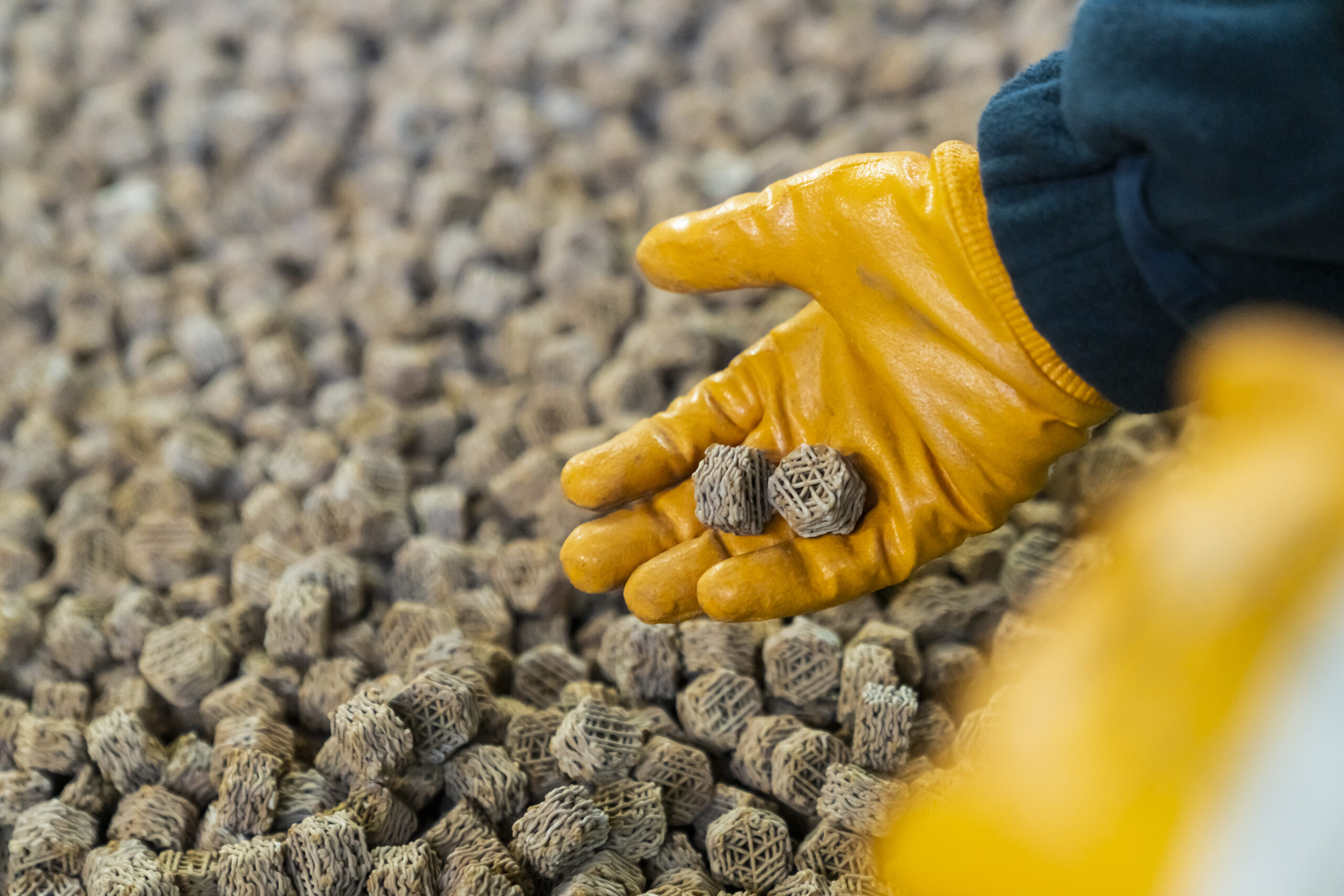
BASF has officially commenced operations at its new production facility for X3D catalysts, located at the company’s headquarters in Ludwigshafen, Germany. This plant marks the transition of BASF’s proprietary X3D additive manufacturing process from pilot-scale applications to full industrial production.
Key Facts & Specifications
- Location: Ludwigshafen, Germany
- Technology: X3D additive manufacturing for catalysts
- Output: Catalysts for chemical reactors, including sulfuric acid production
- Performance metrics: Optimized geometries provide high mechanical stability, reduced pressure drop, and increased catalytically active surface area
- Materials capability: Compatible with precious and base metal catalysts as well as various support materials
X3D Technology and Production
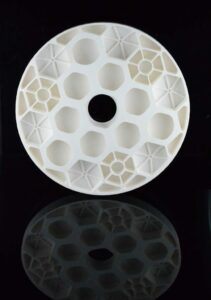
The X3D process enables the creation of catalysts with complex internal structures that were previously difficult to achieve via conventional casting or molding. By controlling the geometry, the design improves fluid flow within chemical reactors, which results in lower energy consumption and higher throughput for chemical manufacturers.
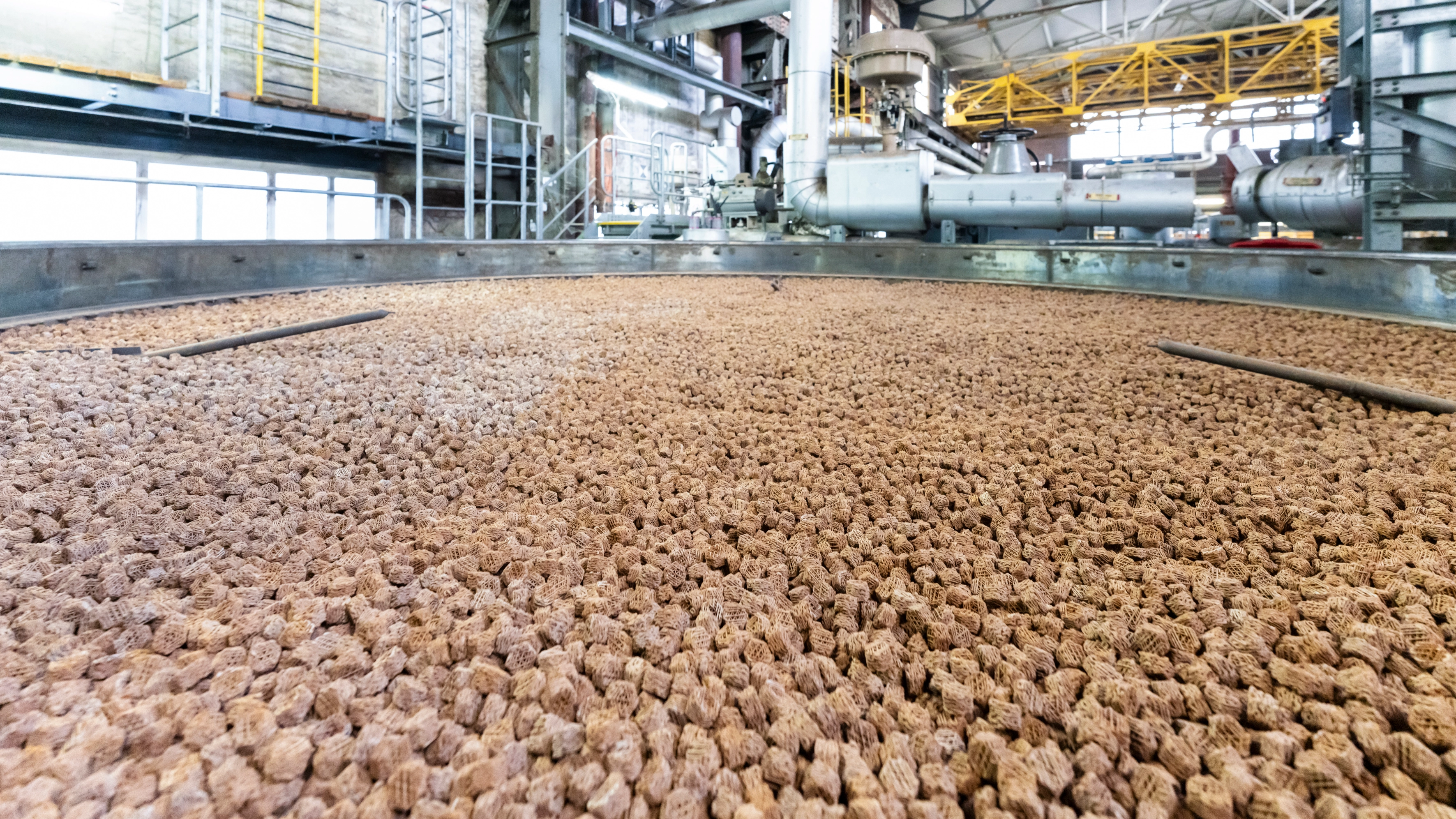
BASF has previously tested this technology in the field, notably supplying O4-115 X3D sulfuric acid catalysts to the Chinese firm An Hui Jintung in 2025. The new Ludwigshafen site is intended to scale this production capacity, allowing BASF to meet increasing demand for tailored catalyst geometries. While BASF’s industrial output relies on its proprietary X3D platform, ongoing ceramic-based additive research at the company continues to utilize LUTUM printers from VormVrij 3D to support experimental testing and development phases.