Paolo Castelli and WASP Debut Mid-Air 3D Printed Ceramic Haibu Lamps
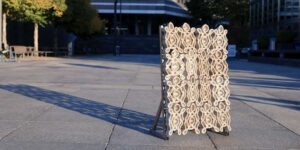
Historic Italian furniture maker Paolo Castelli partnered with WASP to unveil the Haibu outdoor suspension lamp series at Salone del Mobile 2024. The collection utilizes computational design and mid-air ceramic 3D printing to create organic, light-filtering structures.
Published: June 13, 2024 • Original report: 2024-06-10
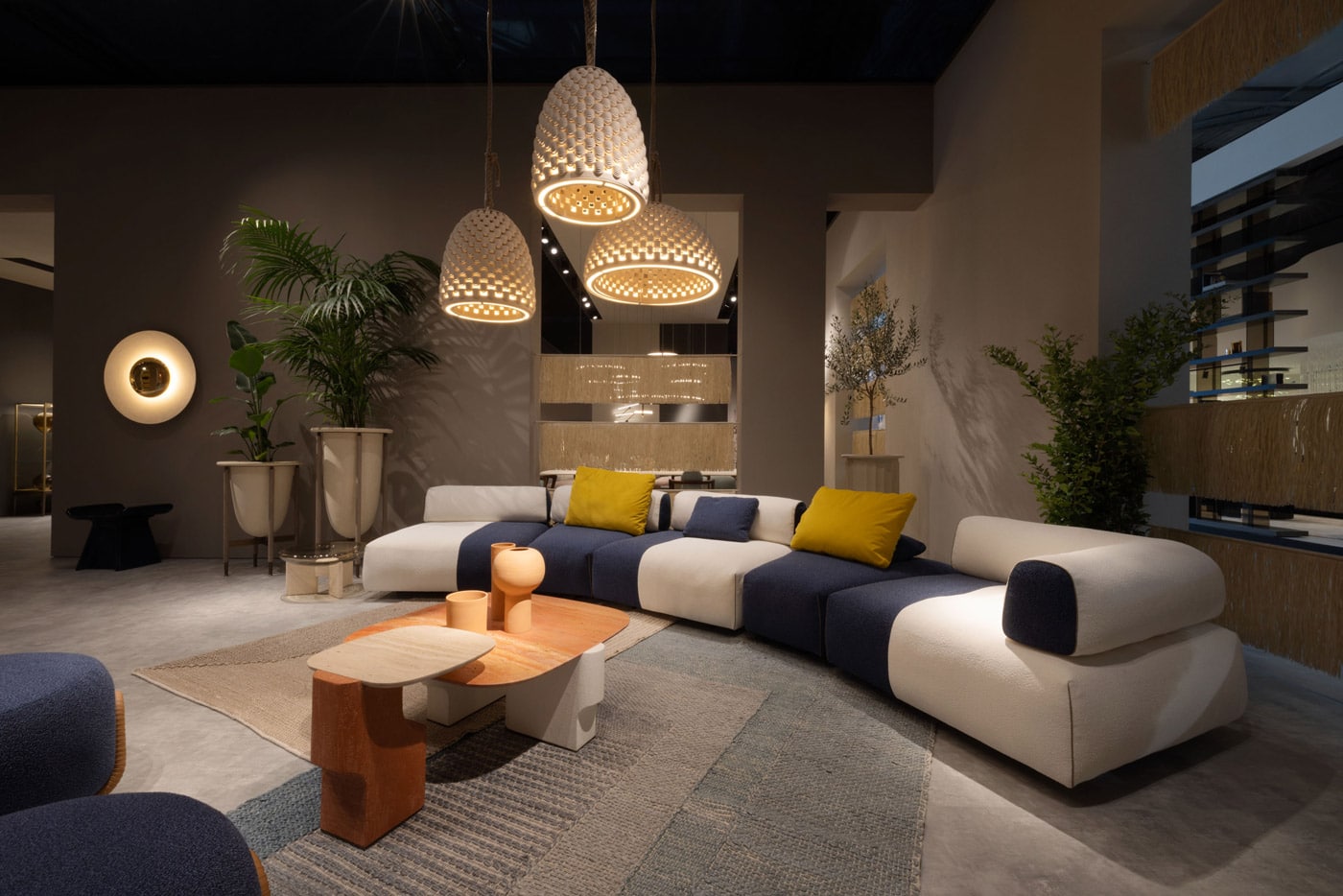
Additive manufacturing took center stage in the lighting sector at the Salone del Mobile expo in Milan this past April, with notable showcases including Rollo Studio’s Sun Lamp Collection and customizable fixtures from Philips. Joining this wave of innovation for the first time, historic Italian furniture design house Paolo Castelli Spa—whose roots stretch back to the 19th century—unveiled its inaugural 3D printed suspension lamp.
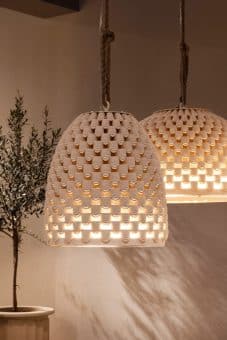
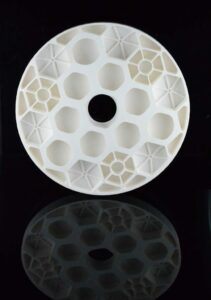
Dubbed “Haibu,” the new outdoor lighting series belongs to Paolo Castelli’s Acquerello Collection. Drawing inspiration from the organic geometry of a beehive, the lamp features an interwoven pattern engineered to cast calm, dynamic illumination. To turn this ambitious concept into a physical reality, the furniture maker teamed up with WASP, an Italian specialist in large-scale ceramic extrusion.
Vittorio Paradiso, a designer at Paolo Castelli, noted that the team wanted to push boundaries with the new collection. Seeking a technical partner capable of realizing a cutting-edge product, they turned to WASP, leveraging the 3D printing company’s local expertise to bridge traditional furniture aesthetics with advanced digital fabrication.
Key Highlights & Specifications
- Product Name: Haibu outdoor suspension lamp series (part of the Acquerello Collection)
- Design Variations: Offered in two distinct geometries—an elongated fixture or a wider structure
- 3D Printers Used: WASP 40100 LDM and WASP 3MT LDM
- Manufacturing Process: Computational parametric modeling paired with Liquid Deposition Modeling (LDM)
- Material: Natural ceramic
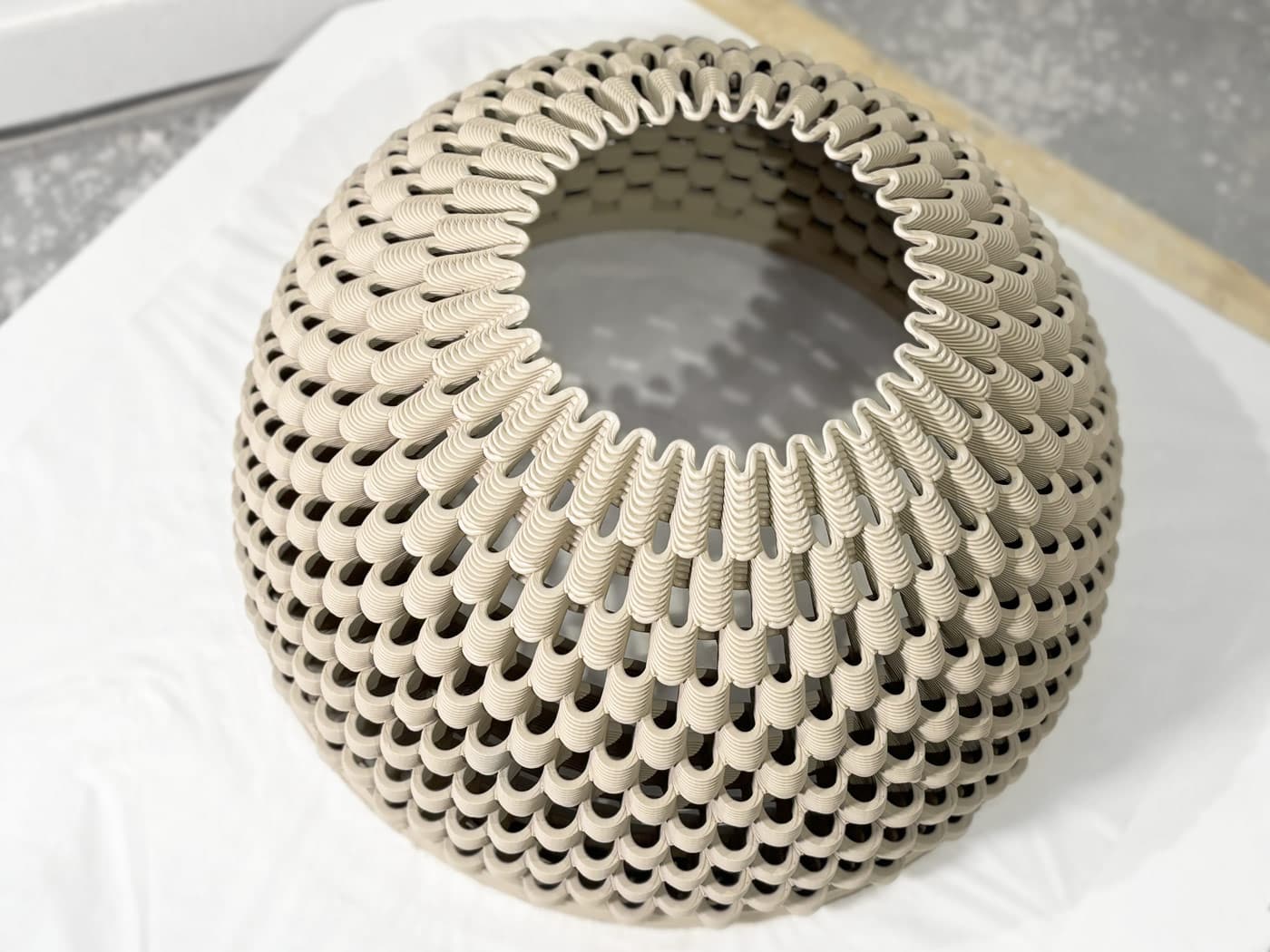
- Signature Technique: Mid-air 3D printing to achieve curved overhangs and light-diffusing slits
- Sustainability Focus: Built from natural materials using an additive process that minimizes production waste
Computational Design Meets Mid-Air Ceramic Extrusion
The production workflow for the Haibu series began with computational design. WASP translated Paolo Castelli’s initial concept into a parametric 3D model, specifically optimizing the geometry for its large-scale Liquid Deposition Modeling (LDM) systems. The pieces were then fabricated using the company’s WASP 40100 LDM and WASP 3MT LDM machines.
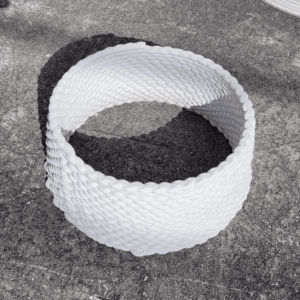
What sets the Haibu lamp apart from conventional ceramic 3D printing is its deliberate use of mid-air extrusion. Rather than strictly adhering to traditional layer-by-layer support rules, portions of the ceramic are printed directly into thin air. As the extruded clay dries, gravity pulls the material downward, causing it to spontaneously fall back onto itself.
This controlled deformation serves a dual purpose: it forms the fixture’s distinctive, dropping curved profile while simultaneously creating thin slits between the ceramic layers. As Paolo Castelli describes on its website, these natural gaps allow gentle beams of light to escape, blending the intrinsic behavior of the drying clay with a durable, open-air lighting design.
Redefining Gravity and Sustainability in Ceramic Additive Manufacturing
For ceramic artists, industrial designers, and architects, the Haibu project demonstrates how breaking conventional 3D printing rules can yield entirely new aesthetic results. By treating material sag and gravity as design tools rather than printing defects, creators can achieve organic textures and light-filtering geometries that would be difficult or impossible to replicate with traditional molding.
Beyond its visual appeal, the collaboration highlights how additive manufacturing supports modern sustainability goals. Paolo Castelli sought a production method that aligned with eco-conscious standards, and utilizing natural ceramic materials through an LDM process that minimizes material waste directly met that brief.
The Haibu series was not WASP’s only contribution to Salone del Mobile 2024. The Italian manufacturer also collaborated with Netherlands-based IOUS Studio on a parametric Cloud lamp collection and supported Milan’s “Dropcity in-progress” initiative, underscoring the growing momentum of large-scale ceramic and clay 3D printing across contemporary design.
Source & Project Documentation
Primary Sources: