University of Waterloo Thesis Defense Explores Plastic Deformation
Researchers Isabel Ochoa and James Clarke-Hicks examine how 3D clay printing and plastic deformation can generate functionally graded ceramic light screens using stoneware and porcelain. The study investigates non-linear design-to-production systems through liquid deposition modelling.
Published: May 24, 2024 • Original report: 2024-05-21
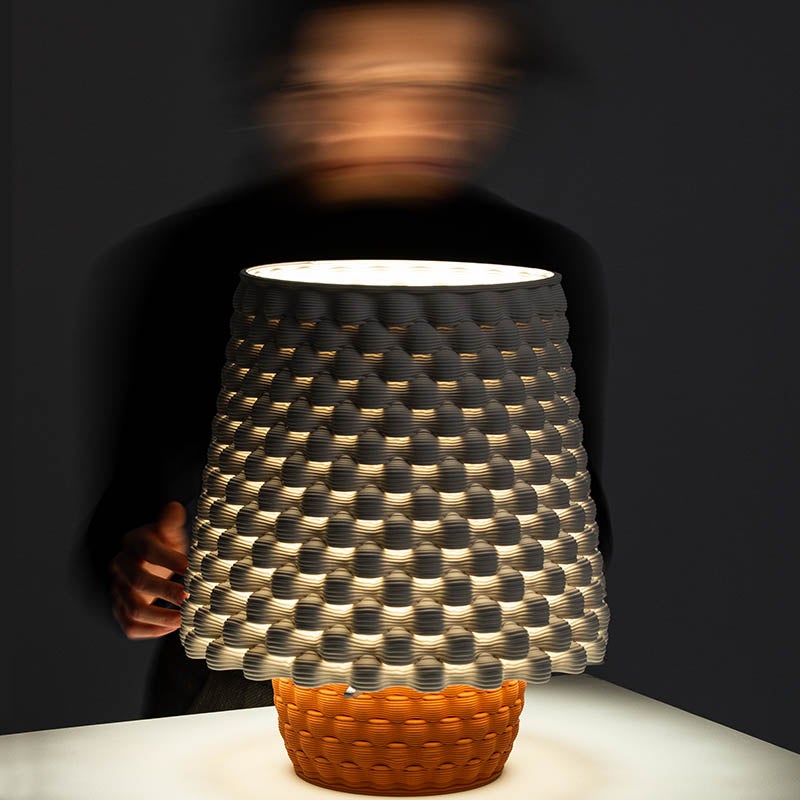
On November 30, 2021, University of Waterloo researchers Isabel Ochoa and James Clarke-Hicks presented their Master of Architecture thesis defense titled “Grading Light: Utilizing plastic deformation to functionally grade ceramic light screens.” The academic work explores the intersection of ceramic additive manufacturing, material behavior, and light manipulation.
The thesis investigates how 3D clay printing can generate responsive engagements between ceramics and illumination. By utilizing liquid deposition modelling, the researchers studied the plastic deformation of clay during wet-processing. Traditional manufacturing often seeks high fidelity between digital models and physical outputs. In contrast, this research embraces the variable working properties of stoneware and porcelain to establish non-linear design-to-production workflows that leverage material behavior as an active design participant.
Key Facts & Specifications
- Researchers: Isabel Ochoa and James Clarke-Hicks
- Institution: University of Waterloo, School of Architecture
- Defense Date: November 30, 2021
- Materials Studied: Stoneware and porcelain
- Core Technology: Liquid Deposition Modelling (compatible with reliable studio equipment such as the LUTUM printer series for fine ceramic extrusions)
- Examining Committee: David Correa (Supervisor), Maya Przybylski, John McMinn, and Ulrich Knaack
Methodology and Typology Development
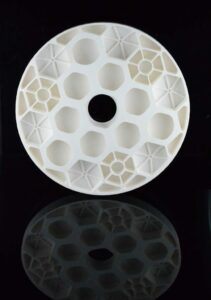
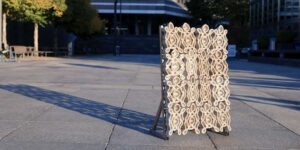
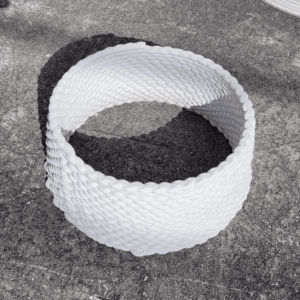
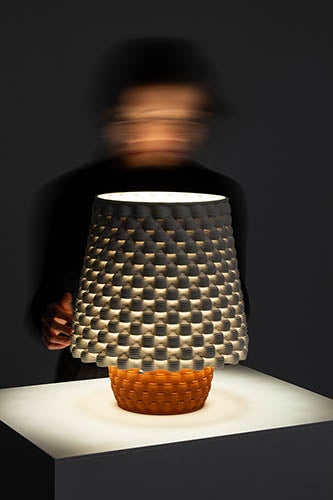
The research methodology is divided into three primary parts: light and ceramic material performance, ceramics and digital fabrication tooling, and the specific methods used to alter light-scattering behavior. The output of the study consists of full-scale prototypes categorized into four distinct light screen typologies. Each typology harnesses specific digital and physical tooling methods to control plastic deformation, structural capabilities, and the resulting reflection, obstruction, or transmission of light across stoneware and porcelain surfaces.